

Как майнить Dogecoin

Майнинг Dogecoin по-прежнему остаётся способом зарабатывать криптовалюту без покупки на бирже. Хотя DOGE начинался как шутка, сегодня он стабильно входит в число крупнейших монет по капитализации.
Простое пошаговое руководство о том, как начать майнить Dogecoin. Подойдёт как новичкам, так и тем, кто уже знаком с криптой.
Что такое Dogecoin
Dogecoin — криптовалюта на алгоритме Scrypt, созданная как форк Litecoin. Она отличается высокой скоростью транзакций и минимальными комиссиями. Символ монеты — знаменитый мем с собакой породы сиба-ину. Сегодня DOGE используется в онлайн-платежах, чаевых и даже благотворительности.
Важная особенность протокола: в отличие от биткоина, у Dogecoin нет халвинга — награда за блок фиксирована на уровне 10 000 DOGE с 2014 года, а новые блоки создаются примерно раз в минуту.
Как работает майнинг Dogecoin
Майнинг — процесс, при котором компьютеры проверяют транзакции в сети Dogecoin и добавляют их в блокчейн. За это майнеры получают вознаграждение в виде новых Dogecoin.
Проще говоря, ты предоставляешь свою вычислительную мощность, чтобы помочь сети работать, а взамен получаешь монеты.
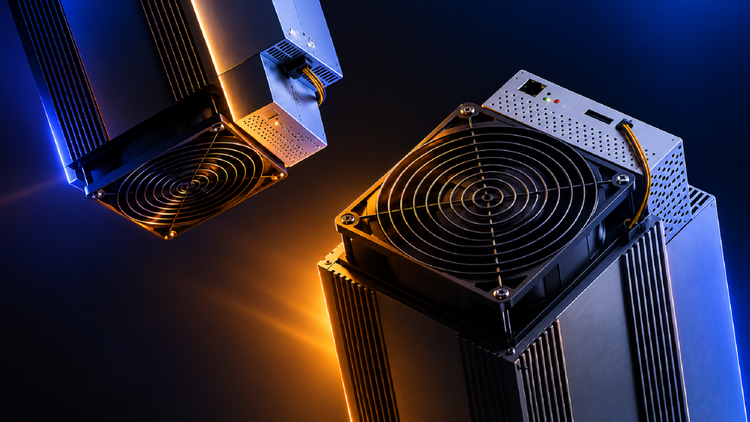
Dogecoin работает на алгоритме Scrypt — он отличается от алгоритма биткоина (SHA-256) и требует другого оборудования. Для эффективного майнинга Dogecoin используют специальные устройства — ASIC-майнеры, созданные именно для работы с Scrypt.
GPU-майнинг Dogecoin сегодня экономически нежизнеспособен: видеокарты уже давно не конкурируют с ASIC-оборудованием по этому алгоритму, и почти гарантированно принесут убыток из-за расходов на электричество.
Соло-майнинг против майнинга в пуле
Существует два основных способа майнинга Dogecoin — соло-майнинг и майнинг в пуле.
- Соло-майнинг — ты майнишь в одиночку, без объединения с другими майнерами. Вся награда за найденный блок уходит тебе. Но чтобы найти блок самостоятельно, нужна очень высокая вычислительная мощность — без мощного парка ASIC-устройств шансы заработать хоть что-то минимальны, а доход случаен и нерегулярен.
- Майнинг в пуле — ты объединяешься с другими майнерами. Вместе вы работаете над решением блоков, а награда делится между участниками пропорционально вкладу в общую мощность. Доход не такой большой за раз, зато регулярный и предсказуемый — оптимальный выбор для большинства новичков и тех, у кого нет топового оборудования.
Если ты только начинаешь и у тебя нет мощной фермы — майнинг в пуле разумнее и выгоднее.
Что нужно для начала майнинга Dogecoin
- Оборудование для майнинга. Для Dogecoin нужны ASIC-устройства на алгоритме Scrypt — они мощнее и энергоэффективнее видеокарт и дают реальный шанс на прибыль.
- Программное обеспечение для майнинга — программа, которая управляет оборудованием и подключает его к пулу.
- Надёжное интернет-соединение — стабильный доступ без перебоев, даже короткие отключения могут привести к потере дохода.
- Кошелёк Dogecoin — адрес, на который будут приходить добытые монеты. Можно использовать официальный кошелёк проекта или мультивалютный кошелёк, поддерживающий DOGE, а для долгосрочного хранения — аппаратный кошелёк.
- Регистрация в пуле для майнинга — сообщество майнеров, объединяющих мощности. Ты регистрируешься, настраиваешь подключение через софт и начинаешь зарабатывать вместе с другими.
Выбор правильного оборудования и программного обеспечения
Для майнинга Dogecoin подходят только ASIC-устройства — они обеспечивают нужную производительность на алгоритме Scrypt. GPU и CPU уже давно не справляются с текущей сложностью сети.
На 2026 год флагманом среди Scrypt-ASIC остаётся Bitmain Antminer L9 — около 16 Гх/с при потреблении около 3360 Вт, что примерно на 10–15% эффективнее предыдущего поколения L7. Среди более специализированных вариантов: модели с акцентом на энергоэффективность (для минимизации счетов за электричество) и компактные устройства, ориентированные на домашних майнеров с меньшим бюджетом. Более ранние модели вроде Antminer L3+ сегодня уже совершенно неконкурентоспособны — это оборудование на два поколения устарело и практически гарантированно убыточно при любых тарифах.
Для управления майнером нужно установить подходящее программное обеспечение, совместимое с алгоритмом Scrypt и твоим конкретным устройством.
Настройка майнинга Dogecoin
Чтобы начать майнить Dogecoin, подключи майнер к электросети и интернету, затем зайди в его панель управления через браузер. Укажи адрес пула, логин и имя воркера (обычно создаются в аккаунте пула), а также адрес своего DOGE-кошелька, на который будут поступать выплаты. После этого запусти процесс майнинга.
Пошаговое руководство по майнингу Dogecoin
Если ты решил заняться майнингом Dogecoin, вот что нужно сделать. Следуй этим шагам — и сможешь запустить майнинг даже без опыта:
- Купи ASIC-устройство, работающее на алгоритме Scrypt — без него майнинг DOGE не имеет смысла.
- Зарегистрируйся в майнинг-пуле, например EMCD, — это увеличит шансы на стабильный доход.
- Скачай и настрой программу для майнинга — установи совместимое ПО и введи параметры: адрес пула, логин, имя воркера.
- Добавь Dogecoin-кошелёк — укажи адрес, на который будут приходить награды.
- Запусти майнинг и отслеживай результат — следи за статистикой в панели пула или самой программе.
Как присоединиться к майнинговому пулу Dogecoin
Пул — объединение майнеров, которые совместно добывают криптовалюту и делят награду между собой. Чтобы начать майнинг через пул, зарегистрируйся на его сайте, укажи адрес своего Dogecoin-кошелька для выплат и настрой подключение на ASIC-устройстве — адрес пула, логин и имя воркера. После запуска майнинга можно отслеживать статистику — доход, хешрейт и активность оборудования — прямо на сайте пула.
Например, на платформе EMCD доступен комбинированный майнинг Litecoin и Dogecoin — так называемый merged mining. Это значит, что хешрейт используется сразу для двух монет, а ты получаешь награду в обоих активах без потери производительности. К 2026 году такой подход стал по сути стандартом отрасли — большинство пулов, поддерживающих одновременно LTC и DOGE, дают дополнительно 20–30% к дневному доходу без дополнительных затрат энергии, поэтому отказ от merged mining сегодня означает упущенную выгоду.
Сколько можно заработать на майнинге Dogecoin
Доход от майнинга Dogecoin зависит от нескольких факторов: мощности и энергоэффективности ASIC-устройства, сложности сети, текущей цены DOGE (и LTC при merged mining) и стоимости электричества.
Прибыльность в 2026 году остаётся довольно узкой: майнерам с тарифом ниже $0,05–0,07 за кВт·ч на современном оборудовании удаётся оставаться в плюсе, тогда как при тарифе выше $0,10 за кВт·ч большинство конфигураций работают в убыток при текущих ценах на DOGE. Точный расчёт сильно зависит от актуального курса и сложности сети — рекомендуем использовать онлайн-калькулятор доходности непосредственно перед покупкой оборудования, а не полагаться на фиксированные цифры.
Распространенные проблемы и как их устранить
Среди наиболее распространенных проблем можно выделить следующие:
- Низкий доход — проверь температуру устройства, настройки и хешрейт.
- Нет подключения — убедись в правильности URL пула.
- Перегрев — установи охлаждение и следи за вентиляцией.
Стоит ли майнить Dogecoin сейчас?
Если у тебя низкий тариф на электричество и современное энергоэффективное оборудование, майнинг DOGE может быть выгодным — особенно с учётом merged mining с Litecoin. Учитывая волатильность рынка, часть дохода разумно фиксировать в стейблкоинах.
Советы по энергопотреблению и эффективности
- используй устройства с низким энергопотреблением на единицу хешрейта;
- настраивай профиль работы через прошивки;
- следи за температурой — перегрев снижает хешрейт;
- объединяйся в пулы для равномерной загрузки и merged mining.
Безопасное хранение добытых Dogecoin
Для долгосрочного хранения рекомендуем аппаратные (холодные) кошельки — они изолируют приватные ключи от интернета. Биржи подойдут для оперативной торговли, но не для долгосрочного хранения крупных сумм.
Юридические и налоговые вопросы
В России майнинг при систематическом характере деятельности может квалифицироваться как предпринимательская деятельность. Упрощённая система налогообложения к майнингу не применяется — используется только общая система (ОСНО).
Доход физлиц облагается НДФЛ по прогрессивной шкале: 13% — на доход до 2,4 млн рублей в год, 15% — от 2,4 до 5 млн, 18% — от 5 до 20 млн, 20% — от 20 до 50 млн, 22% — свыше 50 млн рублей. Юрлица платят налог на прибыль по ставке 25%.
Если потребление электроэнергии превышает 6 000 кВт·ч в месяц, нужно зарегистрироваться в реестре ФНС как ИП или юрлицо. Также стоит учитывать региональные ограничения: с 15 августа 2026 года майнинг запрещён в Москве, Московской области и части Курской области — в дополнение к уже действующим ограничениям на Северном Кавказе, в ДНР, ЛНР, Запорожской и Херсонской областях.
FAQ
Могу ли я майнить Dogecoin на своём ПК или ноутбуке?
Технически можно, но это будет крайне неэффективно и почти гарантированно убыточно — видеокарты и процессоры давно не конкурируют с ASIC-оборудованием на алгоритме Scrypt.
Прибылен ли майнинг Dogecoin сейчас?
Зависит в первую очередь от тарифа на электричество и эффективности оборудования — при низком тарифе и современном ASIC-устройстве, особенно с merged mining LTC/DOGE, майнинг может оставаться прибыльным.
Какое программное обеспечение для майнинга Dogecoin лучше всего?
Выбор зависит от твоего оборудования — важно убедиться, что программа поддерживает алгоритм Scrypt и совместима с конкретной моделью ASIC.
Стоит ли майнить Dogecoin в одиночку или в пуле?
Майнинг в пуле надёжнее и стабильнее для большинства майнеров — соло-майнинг имеет смысл только при очень большом парке мощного оборудования.
Как получить оплату после майнинга Dogecoin?
Добытые монеты поступают на указанный кошелёк. Дальше их можно перевести на биржу для обмена или использовать напрямую.
Законно ли майнить Dogecoin в России?
Да, майнинг легален при соблюдении установленных правил — регистрации в реестре ФНС при превышении лимита энергопотребления, уплаты налогов с дохода и учёта региональных ограничений на добычу криптовалюты.
без увеличения
расходов
вселенную криптовалют