

ASIC Miners Profitability and ROI
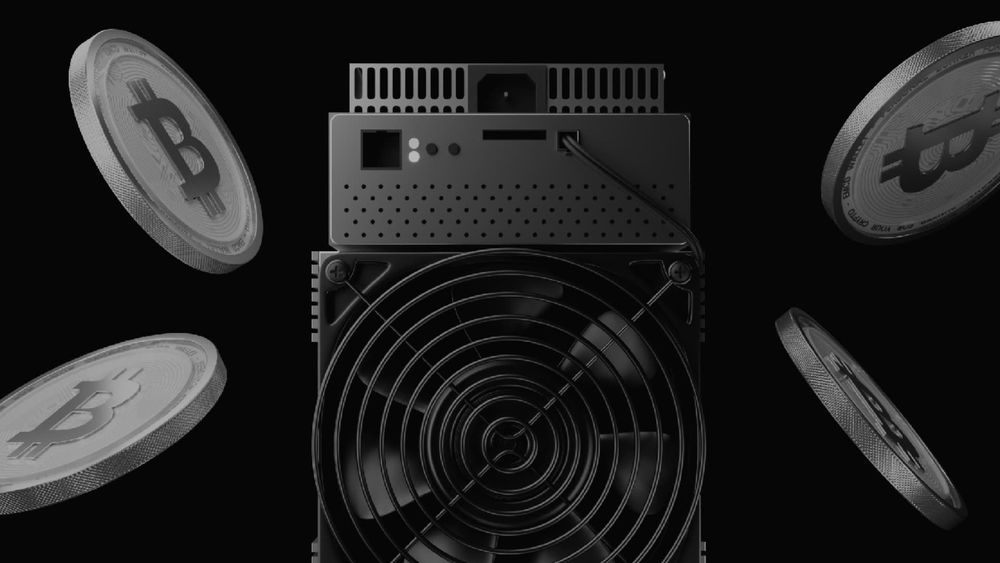

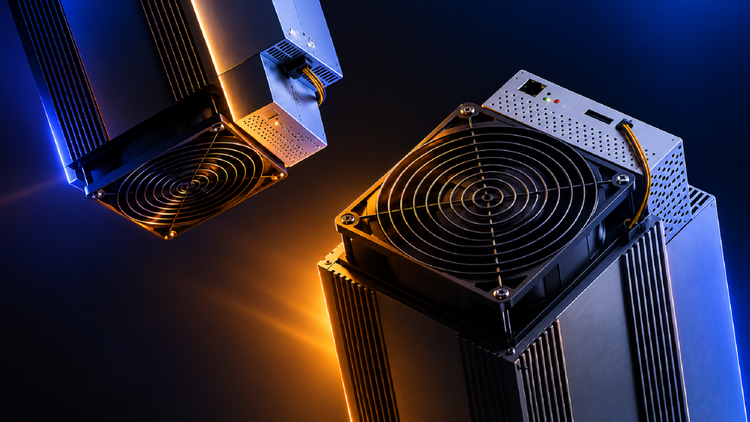
As cryptocurrency continues to grow in popularity, more and more people are getting involved in this field. Many newcomers are eager to become miners and start earning digital coins. However, as the number of miners increases, so does the difficulty of mining. This pushes hardware manufacturers to develop increasingly powerful machines. Today, ASICs — the most powerful and efficient mining equipment — have replaced unprofitable GPUs for the major Proof-of-Work coins. Almost all users wonder how to calculate ASIC miner profitability.
Key Takeaways
- ROI (return on investment) for an ASIC is the time it takes for mining income to cover the machine’s purchase and running costs — and it is never a fixed number, because it depends on the coin’s price, network difficulty, and your electricity rate, all of which change constantly
- Estimate profitability only through a live calculator (WhatToMine, ASIC Miner Value, or similar) using your exact model’s hashrate and power draw, your local electricity price, and today’s network data — then treat the result as a dated snapshot
- An ASIC is built for one algorithm: SHA-256 machines mine Bitcoin and Bitcoin Cash, Scrypt machines mine Litecoin and Dogecoin, and so on. Ethereum can no longer be mined at all — it moved to Proof-of-Stake in 2022 — so any “ETH ASIC” is obsolete for its original purpose
- The two specs that drive the math are hashrate (how much you earn) and power draw in watts (how much you spend). Efficiency — measured in joules per terahash (J/TH) — is what separates a profitable machine from a space heater
What Is the ROI of an ASIC for Mining?
As ASIC miners keep improving, it’s essential to choose a strategy for generating profit from mining. The key factor in your planning phase is the current profitability and the ROI of the machine, which directly affects the earnings you can expect. The faster the cost of the equipment is recouped, the sooner mining starts generating real profit.
The ROI of an ASIC miner refers to the time it takes for the equipment to generate enough income to cover its purchase and maintenance costs. ASIC profitability is also influenced by electricity costs and any potential repair expenses.
How Much Does an ASIC Mine in a Day?
New models replace older ones quickly, and large mining operations face the constant challenge of upgrading their equipment.
There is no single answer to “how much per day.” Output depends on the machine’s hashrate and efficiency, the coin’s price, network difficulty, and your electricity cost. Rather than assuming the newest hardware is always the right buy, weigh the economics by scenario: with very cheap power, an efficient current-generation machine can stay profitable through downturns; at average grid rates, only the most efficient models clear their electricity bill; and at high rates, even top hardware can run at a loss when prices fall. The right strategy is the one your own numbers support — run them before buying.
If you want to know how profitable a given ASIC is, calculate the ROI while accounting for the price of the coin you mine. Take Bitcoin: a sharp drop in BTC’s value can push many devices from profit into loss. If a machine’s operating and maintenance costs exceed its income, it is unprofitable to run.
Comparing ASIC Characteristics
To compare the profitability and ROI of ASIC miners, focus on the key parameters that drive these calculations:
- Hashrate — measured in GH/s, MH/s, or TH/s, this reflects the device’s mining power. As a rule, the higher the hashrate, the more cryptocurrency the machine can generate on its algorithm.
- Power consumption — measured in watts (W), this is the constant electrical draw needed to run the device.
A third figure ties them together: efficiency, measured in joules per terahash (J/TH) — the power used per unit of work. Between two machines with the same hashrate, the one with lower J/TH costs less to run and survives downturns better.
ASIC Examples: How to Read the Specs
The models below illustrate how to read ASIC specifications and feed them into a calculator. Treat the example figures as dated reference points, not current profitability — verify hashrate and power against the manufacturer’s page, and run today’s numbers through a live calculator for your electricity rate.
Bitmain Antminer S19 PRO+ Hydro (SHA-256, Bitcoin)
A hydro-cooled SHA-256 machine with a hashrate around 191 TH/s and power draw near 5445 W. Its high hashrate suits Bitcoin (and other SHA-256 coins such as Bitcoin Cash), but its profitability at any moment is set entirely by BTC price, network difficulty, and your power cost.
Whatsminer M30S++ (SHA-256, Bitcoin)
An air-cooled SHA-256 machine, roughly 110 TH/s at about 3400 W — an example of an older-generation unit. Its higher J/TH means it needs cheaper electricity than newer models to stay in profit; check its current economics before buying used.
If you want to compare specific machines, start from the current generation of SHA-256 miners (for Bitcoin and BCH) and Scrypt miners (for Litecoin and Dogecoin), and always check each model’s live profitability for your electricity rate before committing.
Increasing the Performance of ASICs
ASIC manufacturers ship their devices with standard firmware settings that often prevent the hardware from reaching full efficiency. Custom firmware can raise hashrate and reduce power consumption, which can meaningfully improve mining economics.
A caution: install firmware only from the manufacturer or a trusted, verified source. Flashing unofficial firmware carries risks — a bad flash can brick the device or void its warranty — so verify compatibility for your exact model first.
Buying Hardware at Competitive Prices
The purchase price of an ASIC is one of the factors that affects how long it takes to recover hardware costs. Comparing offers from established manufacturers and authorized suppliers can help miners evaluate pricing, warranty terms, delivery conditions, and equipment specifications before making a purchase.
After the hardware is deployed, pool conditions also affect day-to-day mining operations. EMCD Mining Pool offers 24/7 hashrate monitoring, transparent payouts, and flexible fee plans, with personalized conditions available for larger miners based on their hashrate.
FAQ
How much does an ASIC miner consume?
It depends entirely on the model. Current Bitcoin ASICs typically draw several kilowatts — often in the 3000–5500 W range, with hydro-cooled flagships higher — so check your exact model’s rated power, then multiply by 24 hours to get daily kWh and by your electricity price to get daily cost.
What is the real profitability of mining?
There is no fixed figure — use an online mining profitability calculator. The result depends on the coin and its algorithm, your equipment’s hashrate, your regional electricity rate, and the current price of the cryptocurrency.
Should I buy an ASIC miner for mining?
An ASIC is the right tool for mining a specific Proof-of-Work coin — such as Bitcoin (SHA-256) or Litecoin (Scrypt) — but not Ethereum, which can no longer be mined. It requires significant upfront investment and cheap electricity, and suits more experienced miners; decide based on a live profitability calculation for your situation, not a general assumption.
How much does mining with ASICs bring?
There is no universal number — earnings depend on the specific model, its efficiency, the coin you mine, its price, and your electricity rate. Calculate your case with a live profitability tool rather than relying on a fixed monthly figure.
without growing costs
cryptocurrencies