





en
EMCD mining pool
Maximize your mining Kaspa profits


0K+ BTC mined by our miners
>0%BTC of global BTC mined through EMCD
25 EH/stotal BTC pool hashrate
0 + years of proven performance

Calculate your profitability
%
Payout time
Daily, from 16:00 to 17:00 GMT+3
Potential income*
≈ $ 0.00
· mining_reward_type1
* The calculation is based on the pool's profitability over the last week
Want VIP terms?
Mining coins Calculate rewards
Coin + Merged mining
Coin rate
Pool hashrate
Daily income
Minimum payouts
Reward model
Get more from
mining with EMCD

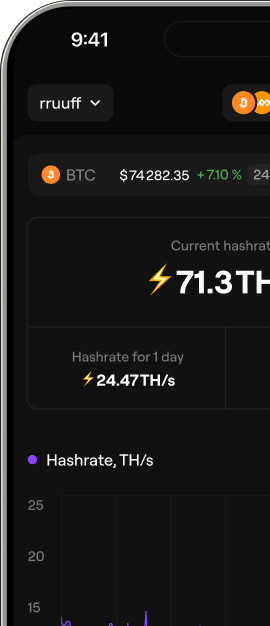
Watcher Link
View all analytics for your account
and subaccount without logging in
and subaccount without logging in
$product1desc

Mine, store, and grow your assets
with just a few clicks and no extra costs
with just a few clicks and no extra costs
Mine and manage crypto
in one app
in one app

Customize your farm
Quickly integrate EMCD pool
with your software
with your software
How to start mining?

1.
Create an account in EMCD
Sign up on the website or in the app

2.
Connect your hardware
Set up your workers and payment address with easy in-app instructions

3.
Receive your first payout
Claim your first crypto or set up auto-top up with interest in Grow.
EMCD White Label
Start your custom mining pool
Start your custom mining pool


Top 10
Listed among the world’s largest Bitcoin mining pools
EMCD Mining
Dedicated app for miners
2.7M+
Crypto transactions monthly
Miсhael Jerlis
EMCD Founder & CEO
When we created our mining pool, we set out to change the way mining works — making it simpler, more reliable, and more efficient. Since 2017, our miners have mined over 30,000 BTC, and that vision still guides us today as we create more opportunities for those moving the industry forward
Ready to build the future together?
Frequently asked
questions
questions
How can I estimate my potential results?
+
How will I receive my mined coins?
+
What is the pool fee?
+
When are rewards credited and paid out?
+
What payout system is used?
+
What is the minimum amount for auto-withdrawal?
+
What should I do if my payout didn’t go through?
+
Where can I track my devices’ profitability and hashrate?
+
Why is my average hashrate lower than expected?
+
What is Merged mining?
+
How the EMCD mining pool works?
+
Still have questions?
Our FAQ has answers to any questions,
even about the meaning of life
even about the meaning of life
ranked #1 by
TerraCrypto