Why You Can’t Just ‘Print’ Crypto Like Regular Money
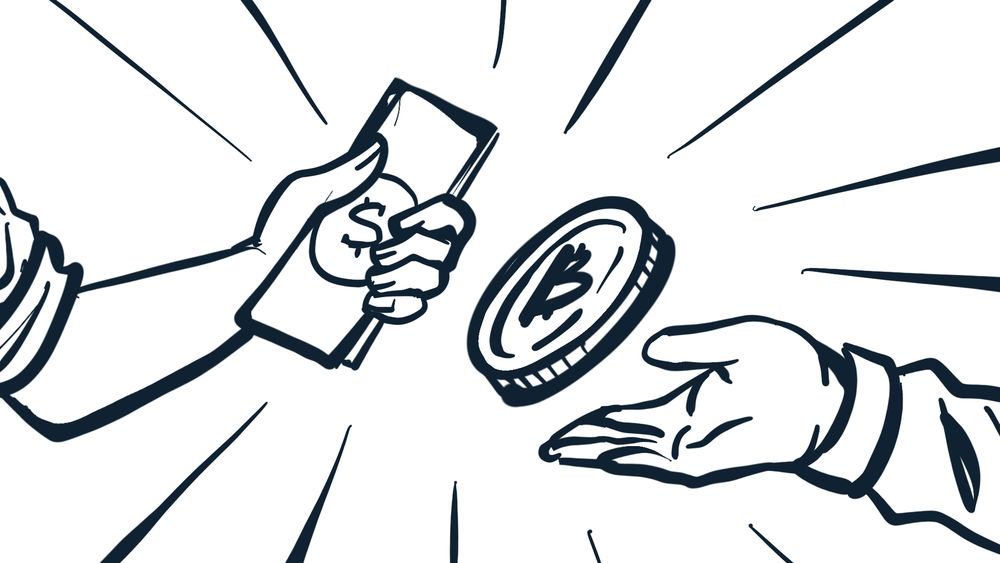
In the traditional currency world central banks are in control. They can hit the ‘print’ button anytime to pump more money into the economy. Sometimes it’s to cover budget deficits, sometimes to stimulate growth. But the final result is inflation. Prices rise, your money buys less, and your savings slowly melt.
Crypto works differently. You can’t just print more Bitcoin or Ethereum at will. And that’s not a bug — it’s the feature. It’s one of the core reasons investors and crypto enthusiasts see value in digital assets. If you’re just starting your journey into crypto, understanding why crypto can’t be printed like fiat money is essential.
Emission Is Set by Code In Crypto
Each cryptocurrency follows strict, pre-programmed issuance rules: how many tokens will ever exist, how they’re released, and when. These rules are baked into the code and can’t be changed on a whim.
Let's take a closer look at some examples:
- Bitcoin has a hard cap of 21 million coins. New ones are released through mining, and every halving makes them scarcer
- Ethereum (since switching to Proof-of-Stake) uses staking and token burning to regulate its supply
- Other coins like Litecoin, Dogecoin, and Solana each have their own models, but always with some control level
This design protects you from arbitrary inflation. You can rest easy knowing no one’s going to ‘print’ a million new tokens overnight and crash your wallet’s value.
Why Crypto Doesn’t Suffer From Hyperinflation
Venezuela, Zimbabwe, and Turkey — countries where inflation wiped out savings and caused chaos. The culprit is the unlimited fiat printing.
Crypto doesn’t allow that. It uses code-based controls like:
- Hard caps on total supply
- Predictable issuance schedules
- Deflationary mechanisms like token burning
This makes crypto similar to digital gold — limited, hard to produce, and inherently valuable.
But Can You Still Print Crypto?
Technically, it’s impossible. But there’s a catch.
Sometimes, a crypto project’s team changes the rules or quietly mints new tokens for their benefit. That’s when things start to look shady.
Keep in mind some red flags of ‘printing’ in crypto:
- No maximum supply
- High, uncontrolled inflation
- Lack of transparency around token issuance
- Tokens distributed manually by the team with no oversight
Tokens like these can tank in value fast and investors often left holding the bag.
How Crypto Holds Its Value
A crypto asset’s value comes down to two forces: limited supply and active demand. When supply is capped but more people want in, the price goes up. It’s simple economics.
Some projects go further: they burn tokens to reduce supply, or offer staking and farming rewards to encourage long-term holding.
Crypto isn’t valuable just because it’s trendy. It’s valuable because it’s scarce, transparent, and based on fixed rules you can verify.
What This Means for You
If you’re storing part of your wealth in crypto, you’re already ahead in some ways:
- Your assets won’t be inflated away by someone deciding to ‘print more’
- You can inspect any token’s tokenomics since it’s all public
- You’re in control: you choose what to trust and take responsibility for your decisions
But remember: not all crypto is created equal. Don’t fall for hype — look at the fundamentals.
How to Check If a Token Is Being ‘Printed’
Here’s a quick checklist to help you analyze a project:
- There is a maximum supply set
- The emission model is clearly described in the whitepaper
- There are deflationary mechanics like burning
- The major wallet addresses are publicly known
- The governance is transparent and open to the community
If the answer is ‘no’ to most of these, move on. In crypto, awareness and due diligence protect you better than any magic formula.
Think Before You Store — Understand What You Own
Crypto isn’t magic. It’s math. The more you understand the mechanics behind supply and demand, the more confident and successful you’ll be in the crypto space. Try the practical courses at EMCD Academy — built for real users, not just theorists.