Oracles: Why Blockchain Needs a Bridge to the Real World
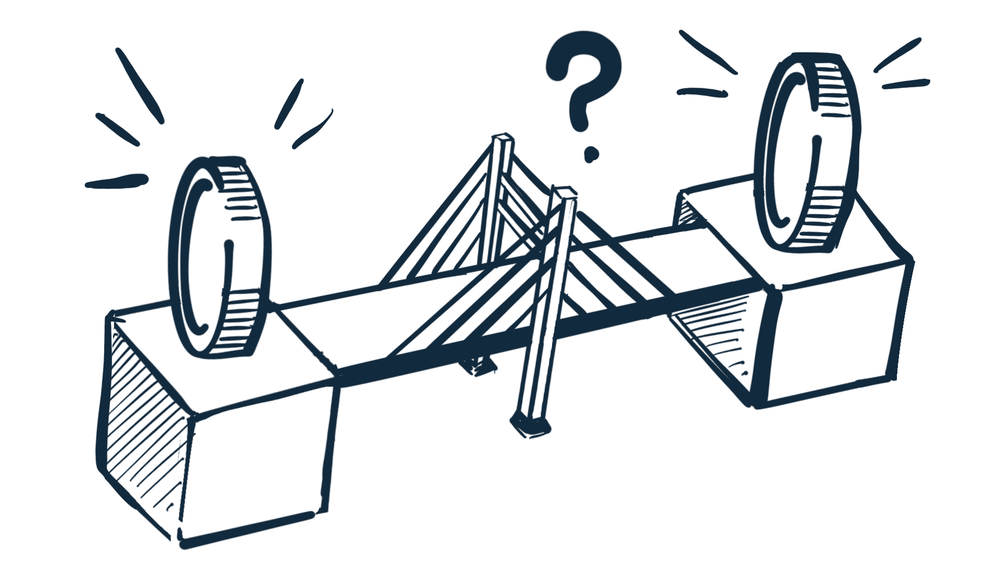
You can build the perfect smart contract — one that enforces rules, locks funds, and automatically sends money to the right person. But there’s a catch: blockchains don’t know what’s happening outside their network. They’re blind to things like the Bitcoin price, the weather, election results, or sports scores — all critical data that lives beyond the blockchain’s walls.
This is where oracles come in — the unsung heroes of DeFi, GameFi, and any Web3 project that wants to connect decentralized systems with the real world.
Let’s explore what oracles are, how they work, where they’re used, and why their reliability is crucial to the safety and success of decentralized applications.
What Are Oracles in Blockchain?
An oracle is a service or protocol that brings real-world data into a smart contract.
Blockchains are isolated by design. They can’t ‘Google’ the current ETH price or check the vote outcome. That’s the oracle’s job: it fetches data from the outside world and delivers it on-chain.
Think of it like this: an oracle is an API between Web3 and reality.
Without Oracles, Smart Contracts Are Blind
Smart contracts are excellent at following rules, but terrible at fetching real-time information. They can’t check exchange rates, weather forecasts, or stock prices on their own.
Imagine you want to create a decentralized bet: if tomorrow’s temperature in Amsterdam exceeds 25°C, the contract automatically sends the prize to the winner. Sounds simple, but how does the contract know the temperature?
On its own, it can’t. Only an oracle connected to a weather API can grab that data and feed it into the blockchain. That’s exactly how most DeFi apps, synthetic assets, and even dynamic NFTs work — they rely on oracles to respond to real-world events.
Where Oracles Are Used
Oracles are essential to many blockchain-based applications. They enable smart contracts to react to real-world triggers, calculate with up-to-date data, and automate processes.
Here are some common use cases:
- DeFi. Platforms like Aave or Compound use oracles to fetch token prices and trigger liquidations
- Stablecoins. Tokens like USDT and DAI check the USD exchange rate through oracles
- GameFi & NFTs. Games can pull in real-world data like weather or stock prices to affect gameplay
- Insurance. A smart contract pays out only if an oracle confirms a flight delay or crop loss
Oracle Types
Oracles come in several forms, depending on what they do and how they get their data:
- Software Oracles. Pull data from digital sources: exchanges, APIs, websites
- Hardware Oracles. Send data from physical devices: sensors, GPS, cameras
- Inbound Oracles. Deliver real-world data to the blockchain
- Outbound Oracles. Send blockchain data to the outside world
- Centralized vs. Decentralized Oracles. The former relies on a single data source; the latter aggregates from multiple sources for higher reliability
Why Choosing a Reliable Oracle Matters
If an oracle sends incorrect data, the smart contract will take incorrect actions and in crypto, that can mean serious financial loss. For example, price manipulation on a shady exchange can trigger mass liquidations on a DeFi platform.
To reduce risk and ensure your system is trustworthy, here are key traits to look for in an oracle:
- Decentralized data sources — so no single point of failure
- Transparency — so you can trace where the data came from
- Speed — especially important in DeFi and trading, where every second counts
How to Know If a Project Uses a Good Oracle
If you’re looking into a DeFi app or dApp that relies on real-world data, check which oracles it uses. That directly impacts the accuracy, security, and resilience of the system.
Here’s what to look for:
- Check the docs or website. Mentions of reputable oracle networks like Chainlink, Band Protocol, Pyth, or API3 are strong indicators
- Look at the data sources. If it just says ‘we get our prices from CoinMarketCap’ without explaining how the data reaches the blockchain, then be cautious. That might be a centralized, fragile setup
A trustworthy oracle is your best guarantee that a smart contract will behave as expected. Don’t skip this check when investing in or using a Web3 project.
Conclusion: Oracles Are the Eyes and Ears of the Blockchain
If you want to understand how decentralized protocols work, how to choose reliable DeFi projects, and how oracles impact your security, start with the EMCD Academy courses. They break down complex topics into simple language and give you the tools you need to confidently dive into Web3.