How to Choose a Safe P2P Platform for Buying Crypto: A Beginner’s Guide

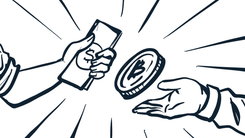
Buying cryptocurrency via P2P (peer-to-peer) is one of the most flexible ways to enter the market.
There’s no need to deposit funds to an exchange, you can pick your preferred payment method, and negotiate directly with another person.
But with that flexibility comes responsibility. You’re not trading with a faceless algorithm — you’re dealing with real people. That means choosing a platform that genuinely protects your assets is crucial.
Let’s break down how safe P2P platforms work, what to look for, and how to keep full control over your crypto.
Escrow: The Backbone of Secure P2P Deals
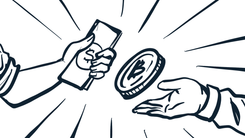
Escrow is your safety net in P2P trading. When you start a trade, the platform locks the seller’s crypto in escrow. The funds are released only after the seller confirms they’ve received your fiat payment. This mechanism is the gold standard for fraud prevention.
If there’s no escrow, there’s no security. Without it, you’re sending money on pure trust and no support team will be able to help you if something goes wrong.
Before you trade, check that the platform automatically freezes the crypto during the deal.
If it does, that’s a sign the platform takes your safety seriously.
Transparency: Ratings and Reviews Matter
In P2P trading, trust is built on reputation. A good platform gives you access to user stats like:
- Number of completed trades
- Response time
- Success rate
- Verification level
- Reviews from other users
If the platform hides this data, you’re flying blind and that’s risky.
The more you know about your trading platform, the easier it’s to avoid mistakes and find reliable counterparties.
Real Support and User Verification
Even experienced traders sometimes need help. A solid P2P platform won’t leave you to figure things out alone.
So, look for services that:
- Verify their users, especially sellers
- Use KYC when needed, for example, with large transactions
- Offer real support, available via chat or email, not just automated responses
If the platform doesn’t have proper support, beginners are left to fend for themselves in disputes — that’s a recipe for trouble.
Pay attention to how feedback is handled. It says a lot about the platform’s integrity.
Payment Methods & Global Access
The more payment options a platform supports, the easier your life will be.
A trustworthy service will:
- Support bank transfers, cards, and e-wallets
- Operate in your region
- Let you quickly filter by country, currency, and payment method
Limited payment options mean compromises and that could push you toward less convenient or riskier methods.
Interface: Simplicity Is Key
Security starts with simplicity. A cluttered, confusing interface increases the chances of making costly mistakes, especially when money is involved.
You should look for platforms that:
- Have a clean, intuitive interface
- Provide step-by-step guidance
- Avoid unnecessary distractions
- Make it easy for beginners to complete their first deal
An easy-to-use platform lowers the learning curve and helps you focus on what matters most: a safe, successful transaction.
Final Thoughts: How to Pick the Right P2P Platform and Avoid Regrets
P2P trading is about freedom and control, but real freedom only comes when you know you’re protected.
Choosing a safe platform is 80% of the journey. Take your time. Check the platform’s security, transparency, support options, and interface. Read the rules and look at the user ratings.
If you’re new to crypto, start with EMCD P2P. With EMCD P2P, you get:
- Escrow-protected deals
- Transparent user stats
- Fast payment method selection
- A clean, beginner-friendly interface
EMCD P2P is your risk-free gateway to crypto swaps.