How Crypto Transfers Work
Still Transferring Crypto Through Exchanges? Time to Rethink
If you're still moving crypto through centralized exchanges, you're giving up control — and possibly your funds. Exchanges can freeze accounts without warning or explanation. It’s happened before and will happen again. These days, even small transfers often trigger full KYC checks: passport photos, selfies, and bank statements just to send USDT.
Withdrawal fees? Often 2–3%, especially when the network is under pressure. And fast transfers? Forget it. Delays can stretch for hours. But the bigger issue is ownership. When you use an exchange, your funds aren’t truly yours — the platform decides when and how you can use them. In 2026, that’s a dated model. The crypto market now has over 500 million users, yet fund transfers are still clunky. It’s time for something better. That’s where P2P comes in.
P2P Is Simple — And It Works
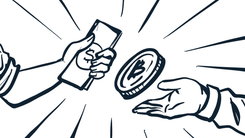
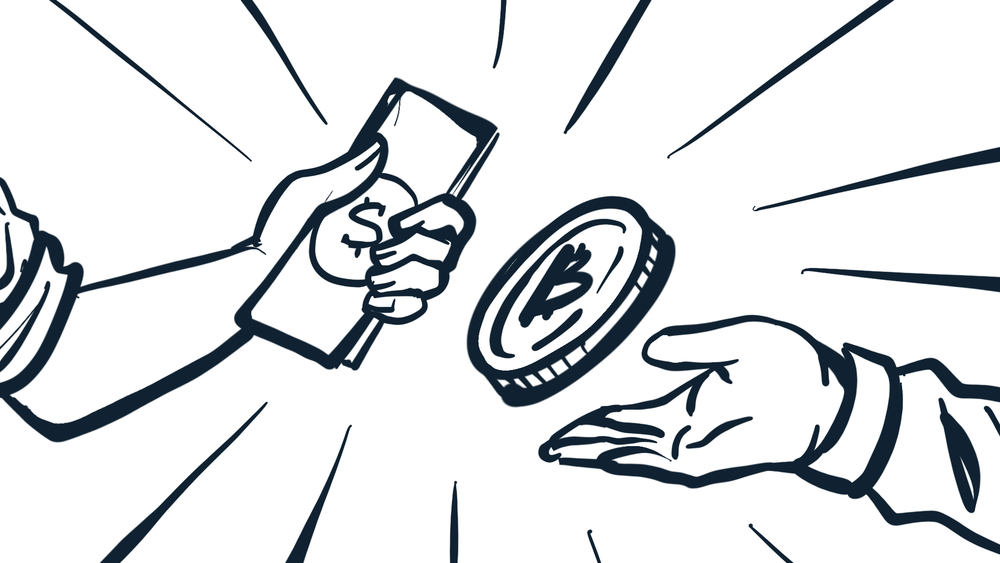
Many still think P2P trading is risky or complicated. It’s not. At its core, P2P is just a direct deal: one person sends fiat, the other sends crypto. The platform’s role? To make sure no one gets burned. It locks the seller’s crypto until payment is confirmed.
No banks, no middlemen. Just fast, direct trades. In 2026, P2P has become the go-to choice in regions with unstable economies — and increasingly in more regulated markets too. People are fed up with restrictions, delays, and red tape. A P2P deal takes a few minutes. No ID checks. No withdrawal queues. No awkward questions. All you need is a reliable platform where users trade directly. It’s fast, safe, and refreshingly straightforward.
Why 2026 Is the Right Time for P2P
Crypto is back in the spotlight: Bitcoin’s up, DeFi is booming, and institutional money is flowing in. But regulations have caught up. In many countries, even a basic P2P payment via bank card can lead to blocked transfers. More users are reporting frozen accounts — not just in the US or EU, but in CIS countries too.
That’s why now is the moment to switch. P2P gives you freedom while keeping you under the radar. You choose your counterparty, set your terms, and trade at your pace. No platform-imposed limits. You see real-time prices and trader ratings — and make informed decisions. In uncertain times, tools that work outside centralized control are the safest bet. That’s the value of P2P.
Avoid Random Chats — Trade Smart
Too many still look for crypto deals in Telegram groups. They message strangers, trust unverified sellers, and hope for the best. That’s not trading — that’s gambling. Scams are everywhere: better-than-market rates, fake payment receipts, disappearing coins.
Real P2P happens on proper platforms. Ones that lock crypto until payment is confirmed. It offers live chat and dispute resolution. That shows full trade history and ratings. No guesswork, no blind trust — just a safe, transparent system. Want stability? Skip the shady chats. Use platforms built on tech, not promises.
Worried About Scams? Here's How to Stay Safe
Scammers exist, yes — but staying safe is simple. Good P2P platforms give you all the tools:
- Trader ratings and deal history
- Crypto held in escrow until confirmed
- Built-in arbitration if something goes wrong
You don’t need to be an expert — just be careful. Never send money without proof. Don’t click «confirm» until funds hit your account. That’s all. With a little caution, your trades stay secure. That’s how most people do P2P in 2026.
Want P2P That Just Works?
Some platforms still make P2P harder than it should be. Complex interfaces, mandatory KYC, hidden fees — it’s a mess. EMCD P2P took a different approach: no ID checks, no delays, no nonsense.
You sign up and trade instantly. The built-in wallet handles your crypto. Trades take a few clicks. Rates stay close to market prices. Funds are locked during deals, and if anything goes wrong, support is ready. And the best part? No trading fees. It’s clean, fast, and beginner-friendly — with no surprises.
P2P Isn’t the Future — It’s the Now
What used to be a workaround is now the norm. P2P isn’t just for privacy nerds or fee-dodgers anymore. It’s for anyone who values speed, control, and simplicity. Want to send crypto in minutes, without paperwork or roadblocks? P2P is the answer.
Crypto isn’t just an asset anymore — it’s money. People use it for bills, remittances, even property deals. Centralized exchanges can’t keep up, but P2P already has. This isn’t a trend — it’s the next chapter. If you want to stay ahead, now’s the time to switch.