Crypto Cards: How to Spend USDT in the Real World
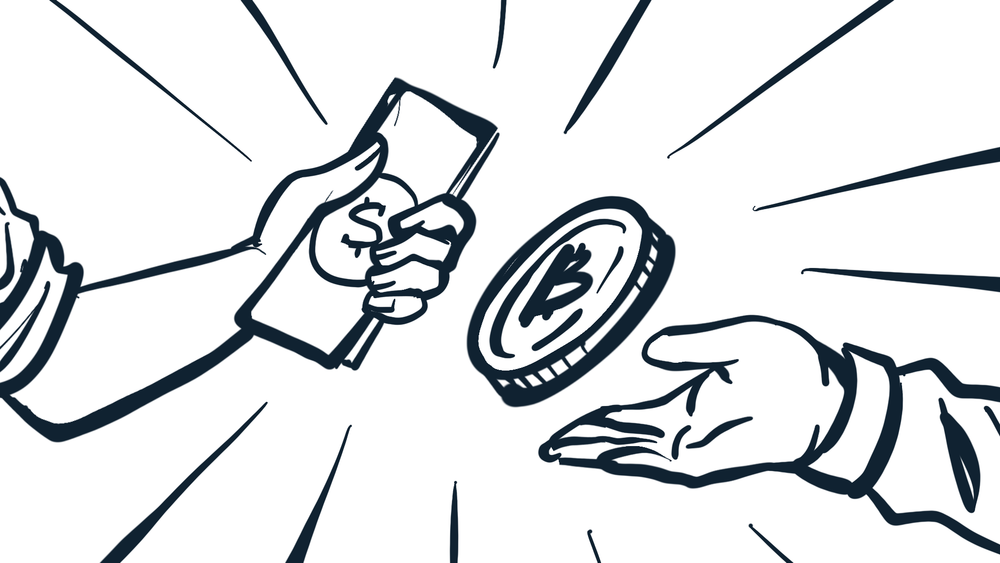
It’s been over 15 years since the iconic crypto purchase, Bitcoin Pizza Day, which marked one of the earliest real-world uses of cryptocurrency. Since then, the crypto ecosystem has grown from niche communities into a global financial phenomenon.
In 2025, almost half of the retailers surveyed globally already accept crypto payments. While the statistics may seem abstract, its meaning is clear: digital payments are becoming increasingly mainstream.
This shift raises a natural question: how can you spend USDT or any other crypto on a store? Modern crypto cards make using digital assets as simple as paying with any regular card.
What a Crypto Card Is and How It Works in 2026
A crypto card works like a regular debit card, but instead of drawing funds from a bank account, it uses a cryptocurrency balance. By 2026, these cards have gained popularity because they let people spend digital assets wherever only fiat payments were accepted before.
You top up the card with USDT or another supported coin, and the amount converts automatically into the store’s local currency at checkout. To the merchant, it looks like a standard card transaction – no crypto knowledge required.
Most crypto cards are virtual and integrate seamlessly with Apple Pay or Google Pay. Paying is as simple as tapping your phone at the terminal and the purchase goes through. Security feels familiar too, with the usual confirmations and notifications.
The real magic happens behind the scenes. When you make a purchase, the card deducts the correct amount in USDT and converts it instantly into the local currency. The merchant receives a standard USD or local payment, so they never interact with crypto directly. Solutions such as EMCD Virtual Card follow this model, making crypto payments effortless for both users and merchants.
This makes the whole process simple. You pay with your phone, the transaction goes through instantly, and the conversion happens automatically. No bank transfers, exchanges or delays. Digital assets become a practical everyday payment method – making spending USDT in stores as natural as using any other card, without extra actions or middle services.
Where You Can Spend USDT: Crypto Debit Cards in 2026
By 2026, crypto payments are becoming increasingly common, especially online. According to industry data, 43% of e-commerce platforms already accept digital asset payments, and more than 32,000 online stores worldwide support crypto payments. Most of these transactions use stablecoins, with USDT accounting for about 76% of crypto payments – making it the most convenient option for daily spending.
This growth extends across multiple categories. Travel bookings made with crypto have increased nearly 40%, while food delivery services and cafés now represent a market extending annually. This means that digital assets are no longer limited to niche use. they are becoming part of common spending scenarios, from electronics and gaming to flights, subscriptions and groceries.
For both online and in-store purchases all you need is a crypto card connected to standard payment networks. You pay with your phone, and the merchant receives a regular payment in their local currency. Products like EMCD Virtual Card follow this model: the card deducts USDT and the store sees a standard USD payment.
Where People Most Often Spend USDT with Crypto Cards
| Category | Examples | What to Know |
| Online retail | Newegg, Ozon, international stores | Crypto cards supported by 43% of e-commerce platforms |
| Travel | Travala, airlines | Crypto bookings have grown by 42% |
| Food and delivery | Yandex.Eda, international chains | Market volume exceeds annually |
| Games and subscriptions | Steam, gaming platforms, apps | Virtual cards are widely accepted via mobile wallets |
| Offline stores | Electronics, supermarkets, pharmacies | Payments go through POS terminals like any regular card |
These use cases show that USDT can be used for regular purchases, both online and in physical stores – making it a practical option for daily use..
How to Use a Crypto Card: Tips and Simple Rules
Using a crypto card for everyday spending is easy, but a few habits help avoid interruptions. Most crypto cards are virtual and work through a mobile wallet, so keeping enough USDT balance matters. Each payment deducts the exact amount needed for the purchase, with conversion handled automatically and instantly. Maintaining a small buffer helps ensure payments go through smoothly.
You top up the card directly from your crypto balance. These cards do not support traditional fiat bank transfers, so the wallet must already hold USDT. Any unused balance can be moved back to the same crypto wallet. Funds return in digital form without extra steps or delays. Refunds for purchases follow the same logic, returning to the wallet and keeping the process simple and predictable.
Crypto cards work well for everyday scenario – shopping in stores, online services, travel, and subscriptions. The phone acts as the main payment method, and the terminal processes the transaction like a regular card payment. This approach powers solutions such as EMCD Virtual Card, where the user pays with crypto and the merchant receives a regular USD charge.
Here is a short checklist for daily use.
Step-by-step
- Top up USDT to the card from your crypto wallet
- Add the card to Apple Pay or Google Pay
- Pay in-store or online. The terminal processes it as a regular card payment
- Withdraw any remaining balance back to your wallet if needed
This flow keeps payments clear and makes digital assets a convenient tool for everyday spending without workarounds or extra steps.
Conclusion
Digital assets have moved early experimentation and into practical, everyday use. As more platforms support crypto payments, people get access to simple products that don’t require technical knowledge or changes in shopping habits. Virtual cards fit naturally into this environment. They don’t change how people pay – only where the funds come from.
Greater ease of use allows digital assets to integrate into regular spending habits rather than remaining a separate payment option.
FAQ
1. Do I need to withdraw funds to pay with a crypto card?
No. A crypto card uses the available crypto balance directly. The payment is processed as a regular card transaction, while the store receives a regular charge in local currency
2. How can I convert the remaining USDT balance into fiat?
You can move the remaining funds back to your crypto wallet and convert them into U.S. dollars or any other supported fiat currency through any supported service when needed
3. Can I use a crypto card when paying abroad?
Yes. If the merchant accepts international cards, the payment is processed normally. The card deducts crypto and the terminal receives the payment in local currency
4. What happens if the balance isn’t enough for a purchase?
You can top up the card with USDT and complete the payment. The crypto card uses the available balance right away
5. Are refunds supported?
Yes. Refunds go back to the crypto wallet, where they can be converted to fiat currencyrubles or used again for future purchases
6. Which types of purchases work best with a crypto card?
Crypto cards work well for online stores, subscriptions, games, food delivery, travel and everyday offline purchases. This makes them a convenient option for anyone who often spends in USDT