Bitcoin After Halving: New Realities for Miners and Investors
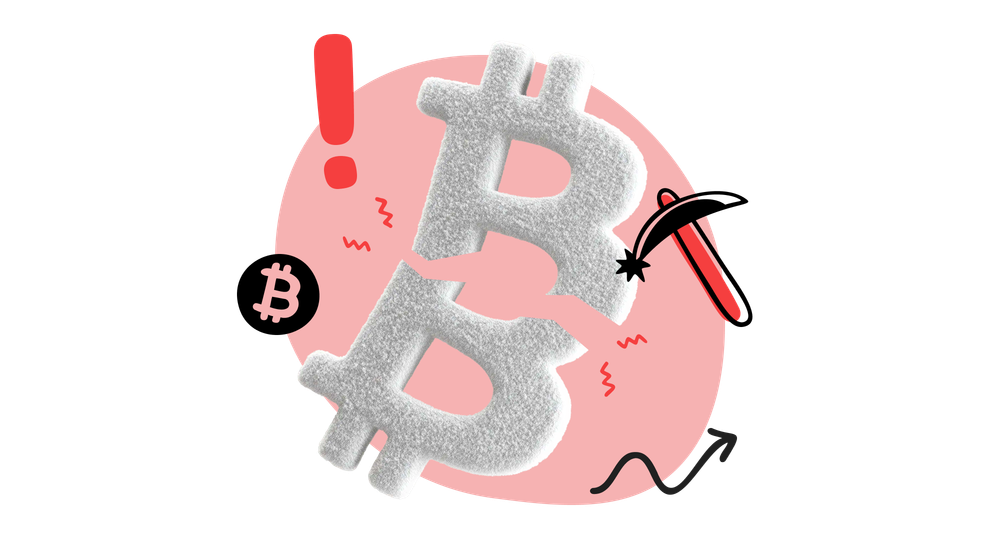
Imagine a printing press for digital gold. Suddenly, it starts running at half speed. This isn't a mistake — it’s planned scarcity. The design forces the whole market to watch closely and rethink expectations. That’s why the question of what happens to Bitcoin after the halving dominates crypto discussions. Historically, these moments have turned regular holders into successful investors.
Lessons From History: How Bitcoin Reached New Levels
A halving happens roughly every four years. The script repeats every time. First, the market grows cautious at first, then, Bitcoin hits new all-time highs. Years ago, the reward was 25 BTC per block. Today, the reward is smaller. However, the value of each coin has increased dramatically.
How the market behaved before:
| Event | Date | Price on Day X | Months Later | Reward |
| 1st halving | November 2012 | $12 | $110 | 25 BTC |
| 2nd halving | July 2016 | $660 | $900 | 12.5 BTC |
| 3rd halving | May 2020 | $8,600 | $15,700 | 6.25 BTC |
| 4th halving | April 2024 | $64,200 | $100,000+ | 3.125 BTC |
Bitcoin prices didn’t just recover after each cycle. They set new records. As supply tightened and demand evolved, reduced issuance reshaped market behavior rather than disrupting it.
The Magic of 21 Million: Why Bitcoin Is Not Unlimited
Banks can print money whenever they want, which devalues your savings. Bitcoin is different. Its rules are embedded directly into code. Only 21 mln coins will ever exist.
The halving acts as a pacing mechanism. It stops miners from digging up all the gold at once — preventing all coins from entering circulation too quickly and keeps issuance predictable. Without it, all coins would be mined in a few years. Interest would fade quickly. Right now, we are in a unique spot:
- Scarcity in action: Miners have already found over 19.7 mln coins. Only about 1.3 mln BTC are left in the digital depths
- A long process: The reward cuts in half constantly. Because of this, the last bitcoin will be mined around the year 2140
- The next halving: We already know what happens in 2028. The reward will drop from 3.125 to 1.5625 coins. The market has been aware of this shift for years
This strict policy makes Bitcoin one of the most supply-constrained assets in existence. With issuance capped and participation growing among institutions and individual users alike, the question of whether to keep holding becomes far less complicated.
Mining After the Cut: Survival of the Most Efficient
For miners, a halving isn’t theoretical. It’s immediate. Block rewards shrink overnight, while costs stay the same.
Old equipment is no longer enough to stay profitable. Efficiency becomes the deciding factor, and the industry goes through a natural cleanup:
- Hardware race: Modern ASIC miners are no longer optional. Power efficiency matters more than ever, and even small differences in electricity costs can determine long-term viability.
- Difficulty adjustment: If many miners quit, the network automatically lowers mining difficulty. This rebalancing improves conditions for those who remain active.
- The power of a pool: Mining alone is almost impossible now. Joining a top 10 pool like EMCD helps you get stable rewards. You can get the most out of your hardware.
A common question follows: what will happen to bitcoin when block rewards become very small? Transaction fees take on a larger role, supporting miner incentives as issuance declines. As long as the network remains active, this structure continues to function.
Strategy for a Calm Holder: How To Keep Your Cool
Market talks often focus on what will happen to bitcoin after the halving. Remember: the market doesn’t move like a fast elevator upward—it behaves more like a roller coaster. New users fear volatility. Prices can jump 5–10% in one day, especially during periods of adjustment. For experienced participants, it’s part of the cycle.
At EMCD Academy, we teach a balanced approach. A few principles help maintain confidence during turbulent phases:
- Don’t go all-in: Only invest what you can hold in BTC for extended periods.
- Use passive income: Your coins can work for you while you wait for a new record. Savings wallets help you survive a 'crypto winter' with real profits.
- Look at the facts: The fixed 21-million supply and long-term issuance schedule matter far more than short-term price swings.
Final Results: A New Chapter for Digital Gold
The crypto space is full of noise but numbers tends to tell a clearer story. Each halving is not the end of the world — it’s a transition into a new phase. The reward per block is smaller. However, this makes the remaining coins more valuable.
Key takeaways from our review:
- Scarcity matters: Limited supply protects bitcoin. No one can devalue it by pressing a button
- Mining favors efficiency: Choose efficient hardware and reliable pools like EMCD to mine blocks profitably
- Time is your ally: History and BTC price trends show that patience often aligns with stronger long-term outcomes
Bitcoin continues to follow its algorithm, regardless of criticism or hype. With a clearer understanding of how Bitcoin halvings reshape the system, you are ready to take your next step in crypto with more confidence.
FAQ
1. Why do investors expect the BTC price to rise after a halving event?
Historically, ‘price growth’ does not happen overnight. However, cutting the new coin supply always creates a shortage. When demand remains high while issuance slows, the market value of the asset tends to move upward
2. Is mining still viable under reduced rewards?
Yes, it is still profitable even with a low reward if you use efficient hardware and optimize costs. After a reward reduction, less efficient participants tend to exit, creating a more balanced environment for those with modern infrastructure.
3. How often does Bitcoin change its issuance schedule?
Bitcoin follows strict halvings every 210 000 blocks, which occurs roughly every four years. It is a built-in inflation control mechanism. It ensures digital gold remains a rare and valuable asset
4. Does lowering miner rewards weaken network security?
The planned reduction of the block reward is offset by the rising value of the coin and transaction fees. As direct issuance declines, alternative incentives continue to support participation
5. What is the core purpose of Bitcoin halving?
The primary goal is to steadily reduce the rate at which new coins enter circulation. By slowing down the creation of new coins over time, bitcoin turns into a deflationary currency. This protects the savings of long-term holders from losing value over time