What Is DAG — and Why Not All Cryptocurrencies Use Blockchain
Forget Everything You Knew About Blockchain
If you think every cryptocurrency is based on blockchain, you're not alone. Even seasoned investors often assume this. Blockchain has become synonymous with crypto — just like «Xerox» with copy machines. But technology keeps evolving. More and more projects are ditching blocks and chains. Instead, they use DAG.
DAG isn’t a new coin or some trendy project. It’s a new foundation — one that next-gen cryptocurrencies are already being built on. No blocks. No miners. No waiting. This guide explains what DAG is, how it works, why it matters, and where it’s already being used. At the end, you'll learn how to get some DAG-based crypto for free and where to store it safely.
What Is DAG — and Why Does Crypto Need It?
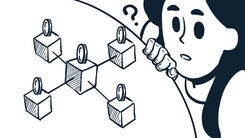
DAG stands for Directed Acyclic Graph. Sounds academic, but the idea is simple. Picture a network where each transaction directly confirms earlier ones. No blocks. No miners. Just users sending and confirming each other's transfers.
When you send a transaction in a DAG network, it immediately validates two others. This creates a self-sustaining system — not a chain, but a web of activity.
Why switch to this model? It eliminates delays, cuts fees, and scales effortlessly. Blockchain is solid, but slow, power-hungry, and not built to handle mass adoption. DAG fixes all of that.
Why DAG Isn’t Just Another Option — It’s the Next Step
In blockchain, everything stops until a miner creates the next block. With DAG, there’s no waiting. Transactions are confirmed instantly, with zero or near-zero fees. That speed and efficiency make it perfect not just for payments, but also for micropayments, IoT devices, DeFi, and any other app where speed matters.
DAG also scales better. The more users join the network, the faster it gets — the opposite of blockchain, where more users can mean more bottlenecks.
Who’s Already Using DAG?
This isn’t theoretical. Real projects are already built on DAG: IOTA, Nano, Obyte, Radix — and more are joining them.
IOTA focuses on the Internet of Things. Nano is built for fast, fee-free transfers. Radix is developing a full DeFi ecosystem. Each has a unique design, but they all ditch the block structure to build something faster and more flexible.
These aren’t Bitcoin clones. They represent a different layer of innovation — not «digital gold», but technological progress.
How DAG Changes the Game
DAG removes the traditional barriers. It makes transactions nearly instant, erases fee walls, and turns scalability into a strength. DAG-based networks can handle thousands of transactions per second and grow more efficient as usage increases.
It also helps solve the classic blockchain trilemma: how to balance decentralization, scalability, and security. Developers get more flexibility. Users get a smoother experience. Investors get access to a new wave of crypto projects.
How to Get DAG-Based Crypto for Free
Yes — for free. Many DAG projects run airdrops and bounty programs to attract early adopters. It’s a tried-and-true method: sign up, verify your account, test the platform, refer friends — and earn tokens.
To find legit opportunities, keep an eye on trusted sources like Telegram, X (formerly Twitter), crypto forums, or aggregators like CoinMarketCap and Airdrops.io. Some projects even offer rewards for testing their networks before launch.
Where to Store Your DAG Crypto and Airdrops
If you're new to crypto or just want something easy to use, check out EMCD Wallet. It’s a secure, multi-currency wallet with support for popular tokens. You can:
- Track balances in real time
- Join airdrops
- Earn passive income via staking
- Use a clean, intuitive interface
EMCD is part of a broader ecosystem that includes its own mining platform — everything’s already connected.
Final Thoughts
DAG isn’t a niche alternative — it’s the logical evolution of crypto infrastructure. It solves blockchain’s biggest issues and creates space for innovation. If you're serious about the future of crypto, keep an eye on DAG-based projects. Join their airdrops. Use smart wallets. Get involved — even without investing money.