

Where to Buy ASIC Miners in 2026: Tariffs, US Resellers, and China Direct
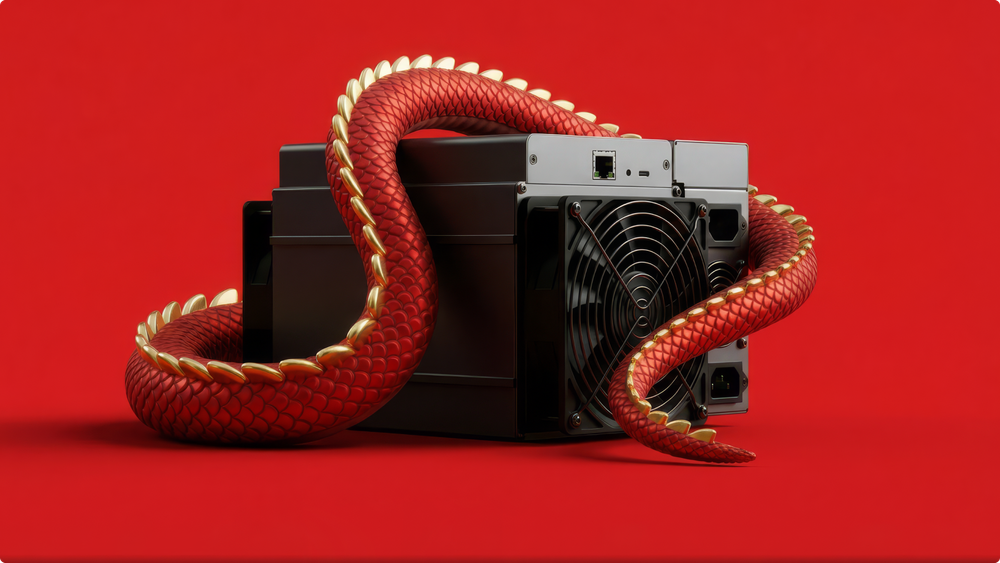

Changes in international trade and tariff policy are reshaping the conditions for mining companies. For buyers of ASIC hardware, tariff changes directly affect equipment costs, supply chains, and global competitiveness.
The main effect of import tariffs on mining economics is higher equipment costs. Most Bitcoin ASIC production is concentrated in Asia, so import duties become a major factor in the final price.
This article is for informational purposes only and does not constitute legal, tax, or customs advice. Tariff rules change frequently: check the current requirements with a customs broker before importing.
Key takeaways
- US tariffs. In April 2026, the US restructured its Section 232 tariffs on steel, aluminum, and copper: they now apply to the full value of derivative products, and metal-intensive hardware may fall under them.
- EU import costs. In the EU, the main costs are import VAT and strict customs documentation requirements.
- Sourcing channels. Direct imports offer the lowest base price, while local dealers and the secondary market reduce logistics complexity but add a markup or risk.
- What drives profitability. Hardware is a one-time cost. Electricity and equipment efficiency are the ongoing factors that determine profitability.
- Fraud protection. Supplier verification, documentation, and hardware testing before payment reduce the risk of fraud.
What changed for hardware in 2026
On April 2, 2026, a US presidential proclamation restructured the Section 232 tariffs on steel, aluminum, and copper, effective April 6. The key changes:
- tariffs now apply to the full customs value of covered articles and their derivatives, not just their metal content;
- articles made entirely or almost entirely of these metals are subject to a 50% tariff;
- certain derivative articles substantially made of these metals are subject to a 25% tariff on their full value;
- derivative articles outside the main metal chapters of the tariff schedule, whose combined metal content is less than 15% by weight, are excluded;
- reduced rates apply to some countries and categories, for example certain metal-intensive industrial equipment is capped at 15% through 2027.
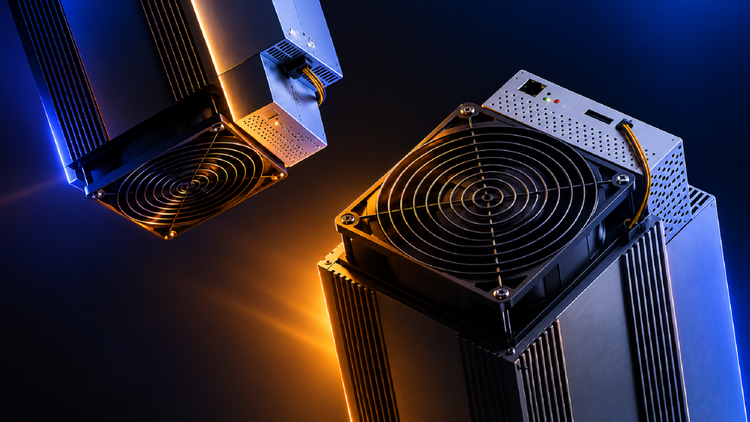
ASIC miners contain aluminum heat sinks, steel casings, and copper components, so, depending on their classification and weight structure, they may fall under the derivative product rules. For example, on a $7,000 ASIC, a 25% tariff adds about $1,750, bringing the cost to roughly $8,750 before shipping and other fees.
The exact tariff depends on the HTS code, the country of origin, and the metal content, so it should be confirmed with a customs broker before ordering.
Higher duties have pushed manufacturers to diversify production: part of assembly and logistics has moved to Southeast Asia, and US-based assembly is expanding.
Where to buy ASIC miners: three channels
1. Direct purchase from China
Buying directly from manufacturers and suppliers in China remains the main channel for large mining operations. It usually offers the lowest base price and access to the newest generation of hardware. Most production is concentrated among a few large manufacturers, including Bitmain, MicroBT, and Canaan.
But delivery to Western markets comes with clear challenges:
- in the US, the main cost is customs duties. Depending on the classification, Section 232 tariffs and other duties can significantly increase the landed cost, which leads some buyers to consider routes through other countries;
- in the EU, the main barrier is regulatory. The Import Control System 2 (ICS2) requires accurate advance documentation, and even small errors can cause customs delays. In addition, import VAT is charged at the point of entry on the customs value, including the product price, shipping, and insurance. Standard VAT rates in EU countries range roughly from 17% to 27%.
Direct sourcing can reduce the initial cost, but it means longer delivery times and more complex warranty and return processes.
2. Local dealers
Buying through dealers in the US and Europe is a common alternative to direct imports. Dealers import equipment in bulk, keep it in local warehouses, and handle shipping, customs clearance, and delivery.
Local dealers typically offer:
- new ASICs with manufacturer warranties;
- stock available for immediate purchase;
- hosting, repair, and deployment services;
- a simple purchase without dealing with customs and logistics.
The main advantage is convenience. But it comes at a price: dealers add a markup to cover logistics and operating costs.
3. Secondary market
Resellers on the secondary market source equipment from various channels: surplus stock from mining farms, used machines, unused pre-orders, and resold bulk shipments. That is why availability and prices vary greatly depending on the market and demand.
Advantages:
- fast access to hardware already in your region;
- the lowest entry cost.
Risks:
- limited or no warranty;
- the operating history is rarely documented;
- hashrate degrades over time;
- older generations may already be unprofitable at the current network difficulty and electricity prices.
For small operations or test sites, the secondary market is a practical entry point. For large deployments where performance and warranty matter, the savings rarely justify the risk.
ASIC sourcing channels compared
| Channel | Upfront cost | Delivery and logistics | Main risks |
|---|---|---|---|
| Direct from China | Lowest base price, but high exposure to tariffs and VAT | Longest delivery, often several weeks; complex customs | US tariffs, EU customs delays, complex international returns |
| Local dealers | Higher due to the dealer's markup | Fast access to stock or managed pre-orders | Limited availability during periods of strong demand |
| Secondary market | Lowest entry cost | Fast regional availability | No warranty, unknown history, hardware degradation |
How to compare the total cost
Compare not the price of the device, but the total cost per unit of hashrate, including all costs:
| Cost item | What to include |
|---|---|
| Base price | The price of the device from the supplier |
| Duties and taxes | Import tariffs, VAT, and other levies depending on the country |
| Logistics | Shipping, insurance, customs broker services |
| Dealer markup | If you buy through a local dealer or reseller |
| Warranty and repairs | The cost and complexity of a warranty claim, especially for direct imports |
| Cost per TH/s | The total cost divided by the device's nominal hashrate |
How tariffs affect mining economics and hashrate distribution
Import duties and regional trade rules influence where mining capacity is deployed. Higher import costs in the US and Europe increase the total price of ASICs and the cost per terahash. As a result:
- margins shrink;
- fleet expansion slows;
- upgrades to newer generations happen less often;
- existing equipment is used longer.
Regions with fewer import barriers and easier access to equipment gain an advantage: hardware there can be deployed at a lower total cost. The same applies to markets with local assembly or pre-imported stock.
Over time, these differences lead to structural shifts in the global distribution of hashrate rather than short-term fluctuations. Mining capacity concentrates where both access to equipment and energy costs are stable and predictable. As a result, global hashrate becomes more sensitive to trade policy, not only to the price of Bitcoin and network difficulty.
How to avoid scams when buying ASICs
Each channel has its own risks related to authenticity, documentation, and delivery:
- direct imports require thorough supplier verification and full customs compliance: declarations, notifications, payment of duties and VAT. Missing documents can lead to delays or seizure of the equipment;
- local dealers should be checked for the origin of their stock and their warranty terms;
- the secondary market carries the highest risk because of unclear equipment history and limited guarantees.
Before buying used equipment:
- Request the full operating history, including previous hashrate data and repair records.
- Test the equipment before paying, if possible.
- Be wary of prices significantly below the market and requests for full prepayment through unusual channels.
After the purchase: connection and monitoring
Once the equipment is delivered, the economics depend on how efficiently it runs. Two decisions are especially important:
- choosing a pool. Most miners connect hardware to a pool, such as EMCD Mining Pool, which combines the hashrate of many participants and distributes rewards in proportion to each one's contribution. Compare the payout scheme, fees, and server latency for your region;
- monitoring. For a growing fleet, it is important to track hashrate, temperature, and device status. Tools such as EMCD Monitoring bring the whole fleet into one interface, work with any pool and firmware, and alert you when a machine goes offline. This protects your investment: every hour of downtime is lost revenue on expensive hardware.
For large operations, hosting providers are another option. They offer ready infrastructure, maintenance, and industrial power rates under commercial contracts that set out uptime, security, and service conditions.
Conclusion
ASIC prices, tariffs, and trade policy all affect mining profitability. Higher import costs in the US and Europe increase the total cost of equipment and slow down new deployments, which raises the break-even point.
But hardware is only part of the equation. Electricity is one of the main ongoing costs and often affects long-term results more than the price of the ASIC itself:
- cheap power can keep mining profitable even when hardware is expensive;
- expensive power can wipe out margins even with cheap equipment.
The price of Bitcoin and network difficulty determine how much revenue each unit of hashrate brings, while cooling, hosting costs, and equipment efficiency affect overall performance. That is why profitability depends on a combination of factors, not on any single one.
FAQ
How do tariffs affect the cost of ASIC miners?
They increase the total landed cost by adding import duties and compliance costs. Over time, higher equipment costs can also shift the distribution of global hashrate, slowing expansion in some regions and accelerating it in others.
Are ASIC miners subject to US Section 232 tariffs?
It depends on their classification and metal content. Since April 2026, derivative products substantially made of steel, aluminum, or copper may be subject to tariffs on their full value, while articles with less than 15% metal content by weight may be excluded. Check the classification of a specific model with a customs broker.
What is the best way to buy ASIC miners in the US and Europe?
It depends on your priorities. Direct imports usually offer a lower base price, while local dealers provide faster delivery and simpler logistics. Compare the total cost per TH/s, including duties, VAT, shipping, and markup.
What should I ask a dealer or reseller before buying?
The condition of the hardware, warranty, repair history, origin of the stock, delivery times, and whether full documentation is provided.
Which ASIC model is the most efficient for large operations?
It depends on electricity costs, budget, and goals. Newer generations usually offer better energy efficiency and a lower cost per terahash than older hardware.
How can miners stay profitable when hardware prices rise?
By securing lower electricity rates, improving operational efficiency, monitoring equipment uptime, and carefully calculating payback before buying new hardware.
How do hosting services help manage risks?
Hosting providers offer ready infrastructure, maintenance, and industrial power rates, so you do not need to build your own data center. Their commercial contracts set out uptime, security, and service conditions.
without growing costs
cryptocurrencies