

How to Make Your ASIC Miner Quiet: Soundboxes, Fans, and Immersion Cooling
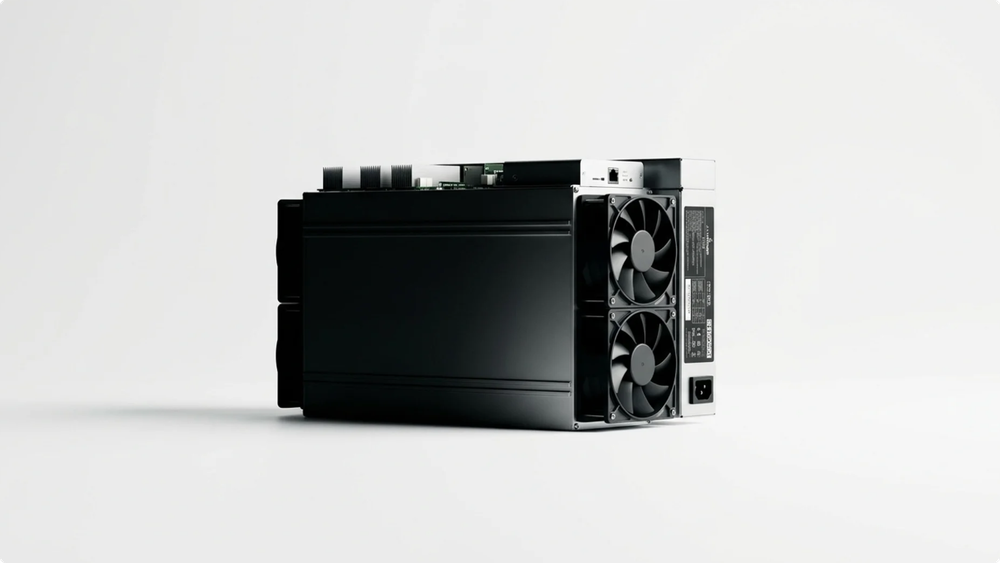

One of the biggest challenges of running a Bitcoin application-specific integrated circuit (ASIC) miner at home is noise pollution. While quieter home-focused devices like the Avalon Nano 3S generate around 40 decibels (dB) and hydro-cooled miners such as the Antminer S21 XP Hydro operate at lower noise levels, many industrial units remain unsuitable for residential areas.
Noise levels are typically listed in product specifications on mining equipment marketplaces. ASIC miners such as the Bitmain Antminer S23 and Canaan Avalon A16XP typically operate at around 75 dB. When overclocked, noise levels can reach up to 90 dB — similar to heavy traffic or a nearby motorcycle — and prolonged exposure may increase the risk of hearing damage.
Bitcoin mining noise can be reduced through several methods. Soundproof enclosures with acoustic foam may lower noise by 20+ dB, while immersion cooling can reduce or eliminate fan noise by replacing air cooling with liquid heat transfer.
Key takeaways
- ASIC miner noise is mainly caused by high-speed cooling fans needed to remove significant heat, with louder operation directly linked to higher performance and power consumption levels in mining hardware setups.
- Noise levels vary widely across models, from around 40–55 dB for quieter home miners to 75–90 dB for industrial or overclocked units, comparable to vacuum cleaners or heavy traffic environments.
- Practical noise reduction methods include undervolting, fan replacement, acoustic foam insulation, soundboxes, and immersion cooling, each targeting heat, airflow, or sound containment.
- Immersion cooling and hydro systems can significantly reduce fan-related noise but require additional infrastructure such as pumps, tanks, and maintenance, making them less beginner-friendly.
- Setup decisions strongly affect noise outcomes, as poor ventilation, vibration from surfaces, and dust buildup can significantly increase perceived noise even in otherwise well-designed mining environments.
Factors affecting noise in crypto mining rigs
The first step in controlling noise is understanding how ASIC miners operate. The loudness of a Bitcoin ASIC miner mainly depends on how much heat must be removed and how the system is cooled. Here are the key factors:
- Cooling system design: Air-cooled miners are the loudest because they rely on high-speed fans to push large amounts of air through heatsinks. Hydro-cooled and immersion systems typically produce less noise, as they rely less on air movement and may reduce or eliminate the need for fans.
- Fan speed and size: Fans are the main noise source. The faster they spin (and the more of them there are), the louder the miner becomes. High-performance machines often require very high fan speeds to stay cool.
- Power consumption (hashrate level): The more hashrate a miner pushes, the more power it draws, generating significant heat that fans must actively dissipate. Higher performance almost always means higher noise.
- Physical build and materials: Metal casings can amplify sound if they vibrate. Poor damping or rigid mounting can make the crypto mining noise feel louder due to resonance.
- Operating conditions: Room temperature and airflow matter. In a hot environment, fans spin faster and noise increases. Poor ventilation or tight spaces also make miners louder.
- Maintenance and wear: Over time, dust buildup or worn-out fans can increase noise. Older or poorly maintained units tend to run louder than new ones.
How loud is a Bitcoin miner? dB levels and real-world comparisons
The noise level produced by Bitcoin miners varies widely depending on the model and operating conditions. Home-grade ASIC miners typically operate below 55 dB, which is comparable to a normal conversation. This makes them more suitable for residential settings. Quieter ASIC miners often use lower-wattage designs, larger slower-spinning fans, or passive cooling systems to minimize noise while maintaining performance.
Liquid-cooled systems are quieter than air-cooled units, as they typically eliminate or reduce the need for high-speed internal fans. Additionally, immersion cooling can improve thermal stability, potentially increasing performance and efficiency by up to 20%, depending on the setup.
However, the full setup of liquid cooling systems may still include external components such as pumps and radiator fans, which can produce a steady humming or light airflow noise. Industrial-scale miners are typically the loudest and are usually operated in dedicated mining facilities rather than residential environments.
ASIC miner noise comparison table
| Miner type / model | Noise Level (dB) | Real-World Equivalent |
| Silent hydro-cooled (e.g., Antminer S21 XP Hydro) | Very Low | A quiet whisper or a library |
| Home-grade / quiet miners (e.g., Avalon Nano 3S) | 40 – 55 dB | A normal conversation |
| Standard industrial miners (e.g., Antminer S23 / Avalon A16XP) | ~75 dB | A vacuum cleaner or a loud hair dryer |
| Overclocked industrial miners | Up to 90 dB | Heavy traffic or a motorcycle nearby |
How to reduce Bitcoin mining noise: practical solutions
There are different ways to help miners reduce noise without shutting down operations, including cooling, acoustics, and placement. Noise, dust, and equipment downtime can lead to additional expenses for miners, as these factors increase maintenance and operation costs.
Fan optimization
Since most ASIC noise comes from cooling fans, even small adjustments can make a noticeable difference. Undervolting and underclocking reduce power consumption and heat output, allowing fans to run at lower speeds. Many miners offer low-power or efficiency modes that reduce temperatures and fan noise.
Replacing stock fans with quieter models such as Noctua fans, which often feature larger diameters and lower revolutions per minute (RPM), is another effective option. These fans are designed to move air efficiently at lower speeds, reducing overall noise while maintaining cooling performance.
Regular cleaning of dust from heatsinks and fan blades also helps maintain cooling efficiency. Dust buildup forces fans to work harder, increasing both noise and wear over time.
Soundboxes and acoustic control
Placement is often the first step in reducing mining noise in residential environments. Running ASIC miners in basements, garages, or utility rooms instead of living areas helps naturally isolate sound before it becomes noticeable in everyday spaces. When multiple mining devices operate in the same room, overall noise levels can increase significantly.
Soundboxes provide an additional layer of noise control. A soundbox is a closed enclosure built from dense materials and lined with acoustic foam that absorbs sound and prevents it from spreading into the room. Soundboxes can be purchased from mining hardware suppliers or built as do-it-yourself (DIY) enclosures, depending on budget and setup requirements.
Some mining noise comes from vibration rather than fan noise. Mounting equipment on metal racks instead of wooden shelves reduces resonance, while rubber or silicone anti-vibration pads placed under miners help limit vibration transfer to surrounding surfaces.
Immersion cooling
Immersion cooling is a more advanced way to reduce noise from Bitcoin mining. Instead of using air and fans, ASIC miners are submerged in a non-conductive liquid that absorbs heat. Since air cooling is no longer needed, most of the loud fan noise disappears, making the setup much quieter than traditional mining rigs.
However, immersion cooling is not a beginner-friendly solution. It requires extra equipment such as tanks, pumps, and external cooling systems to keep the liquid at a safe temperature. These components can still generate noise and require proper setup and maintenance.
A common mistake, especially for beginners, is focusing only on reducing noise without thinking about cooling performance. In air-cooled setups, limiting airflow too much can cause overheating and damage to mining chips. Immersion cooling avoids fan-based airflow entirely, but it still requires careful temperature management in the external system to keep hardware safe.
When implementing immersion cooling, other components such as fans and heatsinks may need to be removed or upgraded for optimal efficiency, which can further impact both noise levels and ongoing maintenance requirements.
Relocation options
Large or high-performance mining setups are often moved to professional facilities better equipped to handle heat and noise. Dedicated data centers and large-scale mining farms provide controlled environments with optimized cooling, ventilation, and sound management. Some of these facilities also use renewable energy sources to reduce operational impact.
Another option is mining hosting services, where mining hardware is placed in a third-party facility while ownership remains with the operator. These providers typically handle electricity, cooling, and maintenance, allowing more stable operation without the noise and infrastructure demands of a home setup.
Another alternative is cloud mining, which removes the need to manage physical mining hardware altogether. Instead of operating equipment at home, Bitcoin can be mined by renting hash rate from a remote facility managed by a third-party provider.
Beginner checklist for a quiet mining setup
- Choose a low-noise ASIC model suitable for residential use
- Select a dedicated space away from living areas
- Ensure proper ventilation and airflow design
- Plan for heat management before installation
- Consider soundbox or acoustic enclosure setup
- Check floor strength and vibration resistance
- Install anti-vibration pads under equipment
- Prepare electrical capacity for continuous load
- Account for dust control and maintenance access
- Test the miner in temporary location before permanent installation
Quiet ASIC models
When selecting hardware, the decibel rating is one of the most important metrics. Below is a comparison of popular models ranging from industrial-grade units to models designed for residential use.
| ASIC Model | Cooling Type | Noise Level (dB) | Ideal Environment |
| Avalon Nano 3S | Air (Small/Quiet) | 45 – 52 dB | Living room / Desktop |
| Antminer S21 XP Hyd | Liquid-Cooled | ~50 dB | Utility room / Garage |
| Antminer S19 Pro | Air (High-Speed) | ~75 dB | Soundproof enclosure only |
| Whatsminer M30S | Air (High-Speed) | ~75 dB | Soundproof enclosure only |
| Antminer S21 | Air (Industrial) | ~80 dB | Dedicated mining facility |
Common mistakes that make things worse
Attempting to reduce mining noise without a proper plan can sometimes make the situation worse. One of the most common mistakes is blocking airflow in an attempt to “silence” the miner. Covering or tightly enclosing equipment without proper ventilation increases heat buildup, which forces fans to spin faster and ultimately makes the miner even louder.
Another frequent issue is over-relying on cheap or poorly designed soundproofing materials. Thin foam or low-quality enclosures may slightly reduce sound but often trap heat or fail to absorb low-frequency fan noise effectively, leading to minimal real improvement.
Some setups also become louder due to poor placement decisions. Placing mining hardware on lightweight furniture or directly against walls can amplify vibration and create additional resonance, increasing perceived noise in the room.
Finally, neglecting maintenance is a common mistake. Dust buildup on fans and heatsinks reduces cooling efficiency over time, causing higher fan speeds and more constant noise.
Conclusion
Reducing Bitcoin mining noise is less about a single fix and more about combining several practical approaches. From fan optimization and soundboxes to immersion cooling and proper setup placement, each method targets a different source of noise such as heat, vibration, or airflow.
The right solution depends on the mining setup, budget, and tolerance for complexity. While smaller setups can achieve noticeable improvements with relatively simple adjustments, larger or high-performance systems often require advanced cooling or relocation to specialized facilities.
In most cases, balancing performance, cooling efficiency, and noise control is key to operating mining hardware in a more manageable, residential-friendly way.
FAQ
Why is crypto mining noisy?
The noise primarily comes from powerful fans spinning at high speeds to prevent overheating. These fans must move a large volume of air continuously to keep internal chips at safe operating temperatures, which creates a loud, industrial whine.
How can mining noise be reduced?
Mining noise can be reduced by lowering heat output (undervolting/efficiency modes), improving airflow efficiency, using quieter fans, and applying physical soundproofing such as acoustic foam, soundboxes, or immersion cooling systems.
What are the health effects of mining noise?
Constant noise and prolonged exposure to high decibel levels may contribute to hearing damage and chronic stress. The persistent background hum may also lead to sleep disruption and mental fatigue.
Do soundboxes really reduce mining noise?
Yes, soundboxes can significantly reduce perceived noise by absorbing and containing sound within insulated materials. Effectiveness depends on build quality, airflow design, and proper cooling integration.
Can heat generated by miners be used elsewhere?
Yes, the heat generated by miners can be reused in some setups, such as space heating, greenhouse warming, or industrial drying processes. However, effective reuse depends on proper heat capture systems and proximity to where the heat is needed, which limits scalability in many cases.
without growing costs
cryptocurrencies