

Bitcoin Mining Hosting in 2026: How to Choose a Colocation Facility for Your ASIC

This material is published for informational purposes only and does not constitute financial or investment advice.
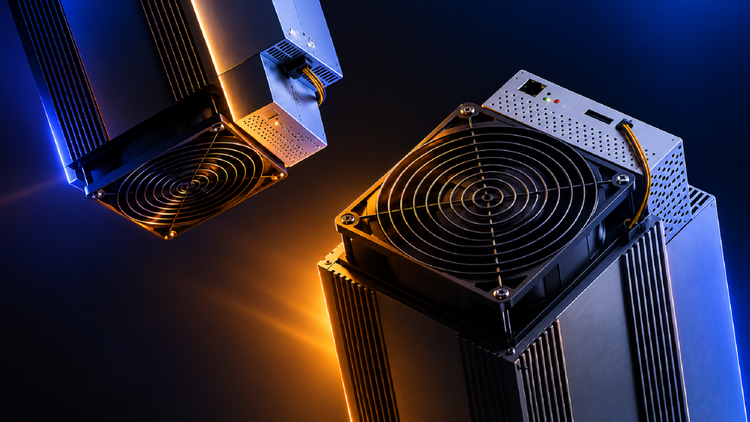
As Bitcoin (BTC) mining has become increasingly infrastructure-focused, ASIC (Application-Specific Integrated Circuit) miners continue to dominate the market in 2026 due to their efficiency and processing power.
At the same time, managing mining hardware independently can involve issues such as heat generation, high energy consumption, noise, and maintenance requirements. Colocation facilities help address these operational challenges by providing industrial-grade power, cooling, real-time monitoring, and technical support for hosted ASIC miners.
Key takeaways
- Bitcoin miner hosting enables individual miners and institutions to run hardware without managing infrastructure, making mining operations more efficient by reducing setup complexity and operational overhead.
- Hosting contracts should be reviewed carefully before signing to avoid hidden fees such as setup penalties or maintenance surcharges, which can affect overall profitability.
- Bitcoin mining hosting comes in two main forms: Bring Your Own Miner (BYOM), where miners supply and ship their own hardware, and Buy-and-Host, where the provider bundles hardware procurement and setup into a single arrangement.
- Many Bitcoin hosting providers offer fixed or variable pricing for electricity, maintenance, and space, with some requiring a minimum commitment of 12-24 months for better rates.
- Choosing a reliable hosting provider is critical for long-term mining operations. Uptime, infrastructure quality, and support responsiveness can impact overall mining results.
What is Bitcoin mining hosting, and who is it for?
Bitcoin mining hosting is a service where ASIC machines are placed in professional data centers designed to handle high power consumption and heat output, which are difficult to manage in residential environments. Hosting solutions are available for different types of miners:
- Experienced miners and institutional investors who maintain full control over their mining setup, including pool selection, firmware, and timing of hardware sales.
- Investors who want exposure to mining without dealing with day-to-day hardware maintenance or troubleshooting.
- Individuals with idle machines who want to put existing hardware to work without building their own facility or managing power and cooling.
- Beginners or users who prefer a managed “plug-and-play” setup without handling hardware setup, shipping, or technical configuration.
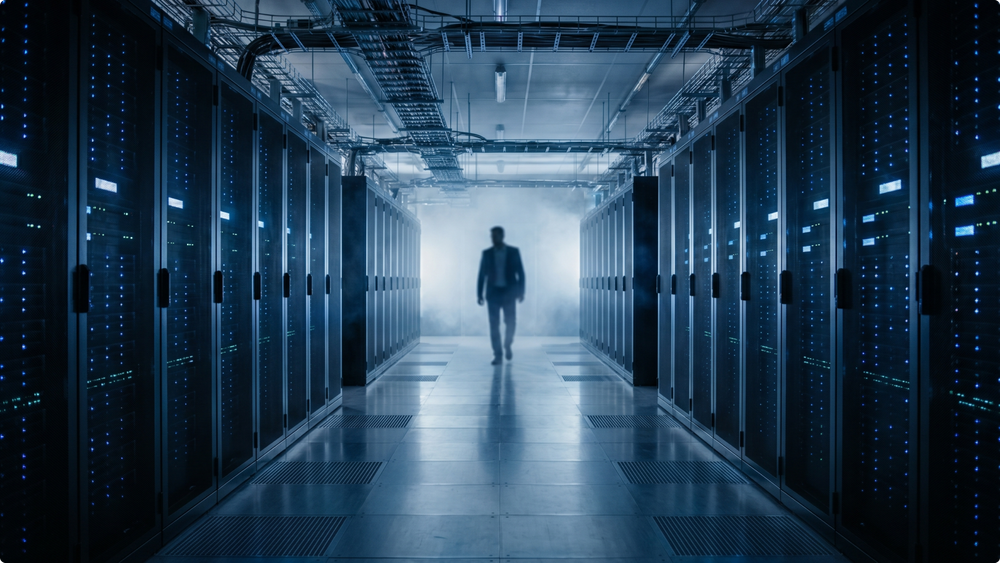
In today’s highly competitive Bitcoin mining environment, colocation facilities have become a widely used solution. Instead of operating hardware at home or in a private space, miners co-locate their mining hardware inside shared, professionally managed data centers, benefiting from secure rack space, reliable power, advanced cooling, and on-site technical support for maintenance and repairs.
Colocation facilities rely on industrial-grade infrastructure that home setups simply cannot match, offering benefits such as improved cooling efficiency, optimized energy consumption, and continuous remote access to real-time performance data and system status.
How hosted mining works
Hosting solutions help miners avoid the operational limitations of self-hosting. While mining may not be economically viable in many countries, hosting facilities are often located in regions with lower electricity costs.
These geographical advantages help reduce operating expenses and improve profitability. Beyond power, hosting companies supply industrial-grade infrastructure such as cooling systems, internet connectivity, monitoring tools, and 24/7 technical support to maintain continuous ASIC operation.
Providers typically charge fees based on the hosting model, selected hardware, power consumption, contract terms, and included service levels.
Bring Your Own Miner vs Buy-and-Host
Hosted mining is generally structured around two main approaches: Bring Your Own Miner (BYOM) and Buy-and-Host. The main difference between the two is how hardware is sourced and the level of control the miner retains over its configuration.
In the BYOM model, miners purchase mining hardware independently and send it to a hosting facility for installation and operation. Setup timelines can vary depending on machine delivery and installation logistics, and some users apply custom firmware to adjust performance and efficiency.
Buy-and-Host combines hardware purchase and hosting into a single service. The provider supplies ASIC machines and deploys them directly in its facility. These setups are often referred to as turnkey solutions, meaning they are delivered in a ready-to-run state with minimal user involvement.
5 questions to ask when choosing a Bitcoin mining hosting provider
When evaluating a Bitcoin mining hosting service, key factors include setup conditions, power rates, service fees, uptime reliability, and contract terms. Because hosted mining involves physical hardware — which providers must install, power, and maintain — services are typically structured around long-term agreements.
Below are 5 questions to ask a hosting provider before signing a service-level agreement (SLA).
What are hosting rates, and what do they cover?
Bitcoin hosting providers may offer fixed or variable pricing models depending on electricity usage, infrastructure costs, and service structure. Contract lengths are typically 12–24 months, often used to secure more stable rates and predictable operating conditions.
The cost of electricity to power mining rigs is the largest cost component, often accounting for around 75–85% of total mining expenses. Mining equipment consumes significant amounts of energy, and electricity rates vary widely by region. In some markets, residential electricity prices reach around $0.25 per kilowatt-hour (kWh), particularly in parts of Europe.
Hosting providers typically operate in energy-efficient regions and may negotiate bulk electricity contracts with power suppliers to reduce operating costs.
All-in rate vs kWh-based pricing
The all-in pricing model bundles electricity, cooling, maintenance, and facility usage into a single, predictable charge. Based on market pricing from hosting providers, total costs are often structured to align with an effective rate of $0.05–$0.15 per kWh, though miners typically pay a flat monthly fee per machine.
The kWh-based model bills strictly based on actual energy consumption, meaning costs vary depending on hardware efficiency and uptime. This can be more flexible but less predictable from month to month.
Most providers operate under a service-level agreement (SLA) that defines uptime expectations, typically between 95–99% depending on the facility.
Beyond the base rate, some providers charge additional hosting fees that are not always stated upfront, such as setup charges, early termination penalties, maintenance surcharges, or optional services like enhanced monitoring. These should be reviewed carefully before signing any agreement.
How to choose the right Bitcoin mining hosting tier?
Bitcoin mining hosting facilities may operate at different data center tier levels, which reflect the reliability and redundancy of the underlying infrastructure. Industry standards range from Tier I to Tier IV, with higher tiers offering stronger backup systems and better protection against downtime. Higher-tier facilities typically provide:
- Stronger uptime guarantees and SLA conditions
- Redundant power and internet connectivity
- More advanced cooling infrastructure
- Faster technical response and repair handling
- Continuous monitoring and operational support
These features can improve operational efficiency by reducing service interruptions, stabilizing hardware performance, and maintaining more consistent mining uptime. Lower-tier facilities may reduce operational costs but can offer fewer redundancy systems and lower uptime commitments, which can increase the risk of interruptions during power outages, cooling failures, or network issues.
The right option depends on operational priorities. Larger miners often prioritize infrastructure reliability and stable uptime, while smaller miners may focus more on balancing operational costs with acceptable performance levels.
How do mining facilities maintain power, cooling, and internet stability?
Mining facilities are designed to support continuous operation of ASIC hardware, where even short interruptions can affect overall performance. Stability is typically maintained through a combination of infrastructure redundancy, monitoring systems, and operational processes.
- Power stability is maintained through redundancy, meaning the facility is connected to multiple power sources or backup systems that take over if the primary supply fails. This often includes redundant grid connections, backup generators, and uninterruptible power supplies (UPS), which help minimize downtime during outages or voltage fluctuations.
- Cooling systems are used to manage the high heat output of mining equipment. Depending on the facility, this can include air cooling, liquid cooling, or immersion cooling. Systems are continuously monitored to keep hardware within safe operating temperatures and maintain stable performance.
- Internet stability is maintained through multiple network providers and redundant connections. If one connection fails, traffic can be rerouted through an alternative line to keep mining operations online.
Together, these systems form the operational backbone of mining facilities, helping ensure consistent uptime and stable performance for hosted mining equipment.
What physical security and insurance do hosting services provide?
Bitcoin mining hosting facilities are designed to protect both the infrastructure and the mining equipment stored on-site. Since ASIC miners operate as physical assets in shared environments, security and risk management are key parts of the service.
- Physical security typically includes controlled facility access, surveillance systems, and on-site personnel. Most facilities restrict entry through access control systems such as key cards or biometric verification, while video monitoring is used to track activity across server rooms and equipment areas. Some locations also implement additional protections like fencing, alarm systems, and 24/7 security staff.
- Insurance coverage varies by provider but is often included as part of the hosting agreement or offered as an optional service. It may cover risks such as theft, fire, or physical damage to equipment while it is stored in the facility. In many cases, coverage terms depend on the declared value of the hardware and the specific conditions outlined in the service contract.
Many facilities also maintain emergency response protocols for natural disasters, including backup power systems, rapid shutdown procedures, equipment relocation plans, and coordination with local emergency services.
How are downtime and repairs handled in mining hosting contracts?
When hosted mining equipment goes offline, the response process is typically governed by the service-level agreement (SLA), which defines response times, uptime commitments, and repair procedures.
If a machine goes offline, most hosting providers follow a structured process:
- Automated monitoring systems detect downtime in real time
- The issue is verified by on-site technical staff
- Basic troubleshooting is performed, such as rebooting or checking connections
- If the issue persists, hardware is isolated and escalated for repair or replacement
Minor issues are often resolved quickly on-site, while hardware failures involving part replacement or manufacturer support take longer. This structured response helps reduce the risk of excessive downtime and keeps mining operations as stable as possible.
Some facilities also throttle or temporarily power down machines during peak grid demand to manage energy costs or comply with utility agreements, with operations resuming automatically according to predefined schedules.
Uptime commitments in SLAs typically fall within the 95–99% range, and some contracts include service credits if those thresholds are not met—though compensation terms vary significantly by provider and should be reviewed carefully.
Is Bitcoin mining hosting worth it?
Hosting services do not guarantee mining success, as profitability depends heavily on hardware efficiency, hosting costs, provider reliability, and market conditions.
ASIC miner hosting can be a practical option for operators who want to run mining hardware without managing electricity, cooling, and maintenance independently. Placing machines in a professional facility can improve operational consistency and reduce day-to-day technical challenges.
There are clear advantages to ASIC miner hosting, including:
- More stable environment for equipment operation, often with competitive electricity costs
- Less time spent on setup and maintenance
- Access to professional support and infrastructure
- Better suitability for large-scale or continuous mining operations
However, there are also drawbacks to consider:
- Ongoing hosting and electricity costs can reduce margins
- Profitability is not guaranteed, especially when mining becomes unprofitable due to market conditions or network difficulty
- Less direct control over physical hardware compared to home setups
Overall, ASIC miner hosting can support mining activity more reliably, but it does not remove market risk. Efficient, current-generation hardware paired with competitive hosting rates and a trustworthy facility operator creates a viable operation — but both the economics and the provider’s track record need thorough vetting before signing any contract.
Conclusion: Is Bitcoin mining hosting worth it?
Hosting is often used with miner models such as the Bitmain Antminer S21, Antminer S21 Pro, Antminer S21 Hydro, Whatsminer M63, and Avalon A1566. These devices generate significant heat and require stable power conditions, which are easier to maintain in dedicated facilities than in residential setups.
When selecting a hosting provider, evaluate its track record and facility location, as both can influence electricity costs and potential tax advantages. The use of renewable energy sources can improve efficiency and sustainability, while comprehensive security measures help protect both hardware and infrastructure.
FAQ
How does a crypto mining colocation facility work?
A crypto mining colocation facility hosts ASIC miners in a professional data center with stable power, cooling, and internet connectivity. Miners’ hardware is installed on-site and operated remotely through monitoring tools and service-level agreements.
What is the biggest cost in Bitcoin mining and how do hosting providers handle it?
Power is widely considered the largest ongoing expense in Bitcoin mining, accounting for 75–85% of operational costs. Hosting providers often operate in regions with lower electricity costs, helping reduce expenses while making all-in pricing models more predictable.
What are FPPS payouts in Bitcoin mining hosting?
FPPS (Full Pay Per Share) is a mining reward model where payouts are based on valid shares submitted, regardless of whether a block is found. This model helps make income more predictable by combining block rewards and transaction fees into regular payments.
Are mining hosting data centers using renewable energy sources in 2026?
Mining hosting services have increasingly adopted renewable energy sources such as solar, wind, and hydropower to help reduce the carbon footprint of mining operations.
without growing costs
cryptocurrencies