




'%3e%3crect%20x='67.937'%20y='0.078125'%20width='15.0077'%20height='14.9965'%20rx='4.17731'%20fill='%23208F4E'/%3e%3crect%20x='67.8081'%20y='-0.21875'%20width='3'%20height='15'%20fill='%2363D793'/%3e%3cpath%20d='M78.5644%206.8781H76.1787L75.4418%204.60156L74.7026%206.8781L72.3169%206.87579L74.2489%208.28419L73.5097%2010.5584L75.4418%209.15232L77.3716%2010.5584L76.6347%208.28419L78.5644%206.8781Z'%20fill='%23111111'/%3e%3cpath%20d='M76.804%208.79613L76.6382%208.28125L75.4453%209.14938L76.804%208.79613Z'%20fill='%23111111'/%3e%3c/g%3e%3cdefs%3e%3cclipPath%20id='clip0_34823_22293'%3e%3crect%20x='67.937'%20y='0.078125'%20width='15.0077'%20height='14.9965'%20rx='4.17731'%20fill='white'/%3e%3c/clipPath%3e%3c/defs%3e%3c/svg%3e)






What to Do If a P2P Seller Freezes Funds in Escrow
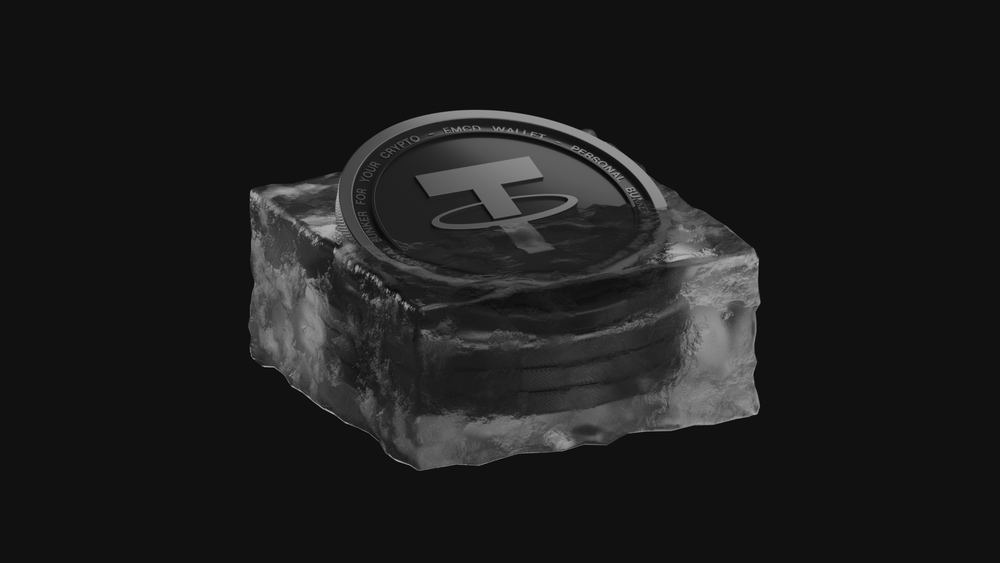

Peer-to-peer (P2P) crypto trading allows users to exchange assets directly, fast and flexibly, but not without risk.
Sometimes a P2P platform temporarily freezes funds in escrow, leaving the buyer waiting after payment. Understanding how to start a P2P dispute process, prove payment, and recover funds is essential for staying safe.
Example: a buyer sends money for Bitcoin, marks the deal as paid, and the seller vanishes. The crypto is locked, the money gone from my bank, so what can you do next?
Why P2P escrow may freeze funds
Escrow is a neutral safety layer that holds crypto until both sides confirm the deal. When one party delays or a mismatch appears, the system places a temporary freeze on the order for user protection.
Typical causes:
- Seller not confirming payment
- Payment made from an unverified or third-party account
- Name mismatch between the buyer and the bank
- Platform checks triggered by suspicious activity
- P2P scam cases where escrow is frozen due to fake payment proofs or repeated duplicate trades
Frozen does not mean lost, it simply keeps both users safe until moderators resolve the issue. Quick action saves time, so never postpone filing a dispute.
Step-by-step: how to open a P2P dispute
If the P2P seller won’t release bitcoin after payment, take action through the platform, not through chat groups or private messages.
EMCD P2P combines automatic verification with live human support, making disputes faster than most exchanges.
Step 1: Verify the payment
Check that my payment left the account and reached the seller. Save all proofs; each transaction is recorded by the system for auditing and protection.
Step 2: Click ‘I’ve Paid’
This locks the crypto in escrow and flags the order as paid, ensuring it’s routed under platform control for dispute resolution. Once marked as paid, the trade cannot be cancelled unless confirmed by both parties or the support team.
Step 3: Collect evidence
Gather confirmations, chat logs, timestamps, wallet details. Clear data helps resolve disputes quickly and prove that your transaction was legitimate.
Step 4: Open a dispute
Use Open Dispute on the order page, explain the situation, and attach files or short video proof.
Step 5: Wait for moderator review
Binance and Bybit may take 24–72 hours. EMCD generally resolves verified payments within 15 minutes by using automated systems for resolving appeals.
Step 6: Resolution and crypto release
If payment is confirmed, moderators release crypto; if not, a refund goes to the rightful party. Every step is logged on both sides for transparency.
Most legitimate cases close within a short time, allowing users to trade again without delays.
What to do if the seller refuses to release crypto
A refusal to confirm payment is stressful but recoverable. Escrow ensures no one can steal funds during the review.
| Situation | What to Do |
| Seller offline after payment | Open dispute immediately and attach proof |
| Seller demands extra fees | Report via in-chat Report tool |
| Seller claims no payment received | Submit bank confirmation or screenshot |
| Payment from third-party account | Platform may pause, reject, or reverse the order for security reasons under standard policy |
| Threats or offensive language | Keep screenshots; include them in appeal |
Once verified, escrow releases the crypto after confirmation. The freeze lifts when both sides prove payment and identity.
If your order stays stuck, escalate to support with full evidence to speed up the decision.
How platforms handle P2P disputes
| Platform | Proof Required | Resolution Time | Custody Type | Support Model |
| Binance | Manual review | 48–72 h | Custodial | Regional moderators |
| Bybit | Video payment proof | 24–48 h | Custodial | Ticket support |
| EMCD | Verified payment trigger | ≤ 15 min | Non-custodial escrow | 24/7 live team |
EMCD’s non-custodial escrow keeps crypto under user control until release, lowering risk and improving transaction protection.
Recognising and avoiding P2P scam frozen escrow
Fraudsters use urgency and fake screenshots. Watch for:
- Requests to chat outside the platform
- Unrealistic prices or pressure tactics
- Duplicate orders or sudden cancellations
To avoid future freezes:
- Trade only with verified sellers with strong ratings
- Confirm that escrow is active before paying
- Never use third-party accounts
- Keep every message on the official chat
- Split large orders and take screenshots
Keeping all trades on record significantly reduces fraud risk and speeds up recovery if a dispute arises. Every transaction acts as proof, your first line of protection. Learning these patterns early helps you avoid stress and prevents future scams from putting your deal on hold.
Legal and safety tips if funds remain frozen
If your account freeze continues, collect evidence from your bank, your account, and your payment receipt, including bank statements and recent account activity. The next step is to contact local financial authorities or the platform’s support team, provide your P2P trade ID, chat logs, and screenshots, and request official confirmation to lift the freeze. In most countries, regulators and cybercrime units verify cases by matching transaction records. EMCD helps users during such investigations by providing structured data logs that ensure transparency and regulatory protection.
How to prevent frozen funds in future
Even the best crypto platform cannot protect users who trade outside escrow.
Users can take steps before trading:
- Verify account names and IDs
- Take screenshots of every stage
- Use official payment rails
- Store receipts for 90 days
- Avoid shady Telegram or WhatsApp offers, or other unofficial channels
Strong habits ensure transaction protection and make it impossible to steal or misuse your funds.
Resolving and refunding frozen escrow
If P2P escrow frozen funds remain locked > 72 hours, contact support with dispute ID.
Verified trades trigger release or refund; if the seller proves non-payment, coins return to them.
What does the platform do next? It records the outcome on both accounts, maintaining audit trails and data protection.
If the process feels stuck, recheck your uploaded proof or contact live chat to reopen the case.
Final thoughts
When a P2P transaction is stuck, patience and documentation win. Escrow exists to protect both parties.
Choose platforms with clear protocols, quick resolving, and strict compliance.
EMCD P2P aligns its processes with applicable AML standards across supported regions, ensuring fair results and full transaction protection.
Clear processes mean no one can steal your crypto. In digital finance, security starts with knowledge, understand the rules, trade wisely, and let technology guard your money.
without growing costs
cryptocurrencies