

What Is a Crypto Ramp and Why It Matters Today

This material is published for informational purposes only and does not constitute financial advice.
Understanding the role of a crypto ramp has become essential as more users and businesses enter the digital economy. A crypto ramp serves as a bridge between the traditional financial system and blockchain, helping newcomers move value between fiat and crypto with confidence. Clear, reliable ramps are the foundation of global onboarding.
Crypto On-Ramp vs. Off-Ramp Explained: The Role of Fiat Gateways
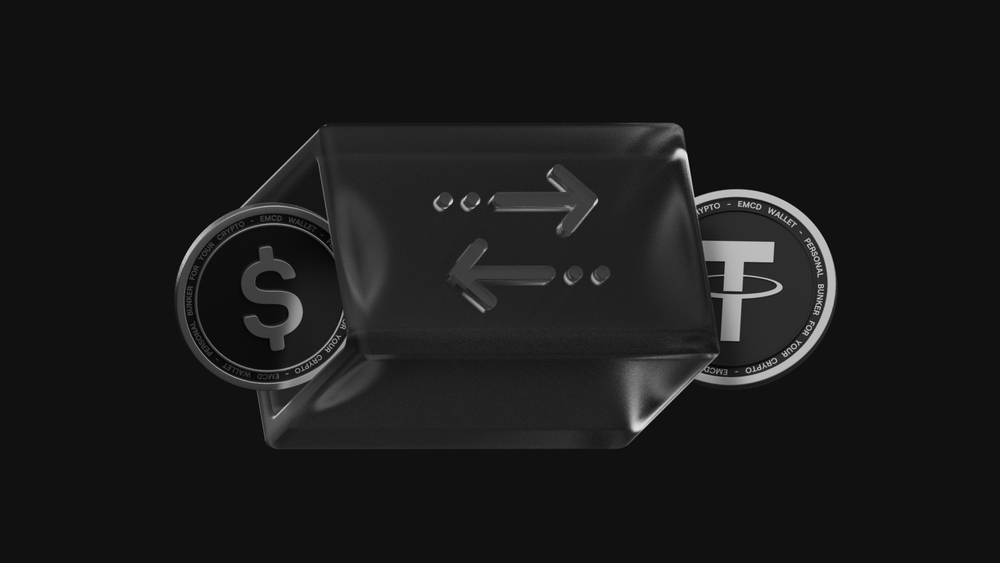
A ramp is a service that connects fiat currencies and digital assets. A crypto on-ramp helps users buy tokens using familiar payment methods, while a crypto off-ramp lets them move funds back into the traditional banking system. Together, these two directions give users full freedom over how they enter or exit the crypto ecosystem.
These services matter because they simplify the process of converting between fiat and crypto. Many people want to interact with crypto but aren't ready to navigate complex exchanges directly — ramps reduce this barrier significantly by handling the conversion in a simpler, guided flow.
How Crypto Ramps Work: A Simple Overview
Here's a general look at how crypto ramps work in practice:
- A user chooses an on-ramp to acquire tokens
- The provider verifies identity when required under local regulation
- Funds move into the blockchain through card payments, bank transfers, or other supported methods
- When needed, users convert assets back using an off-ramp
- Settlement completes according to the provider's processing timeline
This basic flow is designed to remove friction for beginners who might otherwise find exchange interfaces intimidating.
Why Ramps Matter for Users and Businesses
Crypto onboarding touches every sector. Retail users want simple tools, and businesses use ramps to integrate blockchain into payments, payouts, and Web3 services. Ramps make it possible to move between crypto and real-world use cases through a predictable, compliant channel.
Providers differ in how they handle the conversion step, so transparency is essential. A smooth, well-explained process increases trust and reduces the chance of failed transactions. Users also care about reliability and settlement speed — in some regions, transfers complete faster because a specific provider maintains better banking relationships or optimized payment routes in that market.
Types of Ramp Solutions
There are several common ways to move funds between fiat and blockchain:
- Classic on-ramps — enable new users to acquire tokens directly through a straightforward buy flow, typically the first experience most newcomers have.
- Integrated wallet on-ramps — a more seamless version where the user stays within one interface (their existing wallet or platform app) rather than being redirected elsewhere, combining speed with a more intuitive design.
- Full off-ramps — services that move funds back to a bank card or account. Users often choose a specific provider based on speed, transaction limits, and compliance requirements.
- Combined flows — many modern providers now offer unified on- and off-ramp experiences in a single interface, which tends to be one of the simpler formats for beginners.
The most reliable ramps remove friction and make sure your crypto stays visible, understandable, and easy to manage throughout the process.
What Users Look for in a Ramp Provider
Security, speed, and compliance shape how users choose a ramp provider, regardless of region. The best ramps integrate trusted, licensed payment processors, offer predictable settlement times, and disclose transparent fees upfront. For many newcomers, the most useful option is a service that keeps the entire operation inside one verified environment, reducing the number of redirects to third-party sites and the confusion that can come with them.
Comparing On-Ramp and Off-Ramp Use Cases
| Scenario | Recommended Flow | Why |
| Buying tokens for the first time | Crypto on-ramp | Simple, card-based entry |
| Converting earnings back to fiat | Off-ramp | Direct withdrawal to a bank account or card |
| Working between Web3 apps | On-ramp and off-ramp together | Flexible movement in both directions |
| Wallet-based operations | Integrated ramps | Less friction, fewer steps, fewer app switches |
What to Look For in an Integrated Ramp Experience
Some platforms integrate ramp functionality directly into their own ecosystem, so users can move between fiat and crypto without leaving the platform entirely. Instead of redirecting to an external service for every step, the flow happens within one interface, using the same account and screens throughout.
When evaluating a provider that offers this kind of integration, look for:
- Whether you stay inside one environment from start to finish, without switching apps or tabs unnecessarily
- Whether key information is pre-filled or requires repeated manual entry, which affects both convenience and the chance of input errors
- How clearly the platform discloses that compliance checks and payment processing are handled by a licensed third-party provider in the background, even if the visible flow feels seamless
A unified, well-designed flow can make buying or cashing out crypto feel simpler, especially for people who prefer clarity and consistency over navigating separate exchange mechanics.
Where the Market Is Heading
Ramps are becoming smarter, faster, and more integrated across the industry. They allow platforms to onboard newcomers without forcing them to explore unfamiliar external sites for every step. As adoption grows, ramp technology continues evolving from simple payment gateways toward broader financial bridges connecting Web3, everyday payments, and traditional banking.
Conclusion
Crypto ramps serve as the entry and exit points of the digital economy. They connect fiat and blockchain in a way that aims to feel familiar, safe, and intuitive. Whether someone wants to buy tokens, convert earnings, manage balances, or explore new apps, ramps are what keep the system accessible to non-technical users.
As crypto expands, ramps will remain a core piece of onboarding infrastructure — but the quality of that experience still depends heavily on the specific provider's licensing, transparency, and how well it discloses fees and processing times before you commit funds.
FAQ
What's the difference between a crypto on-ramp and an off-ramp?
An on-ramp lets you convert fiat currency into crypto, usually via card or bank transfer. An off-ramp does the reverse — converting your crypto back into fiat and sending it to a bank account or card. Many modern services combine both directions in one interface.
Do I need to complete identity verification to use a crypto ramp?
In most cases, yes, if required by local regulation — this is standard for licensed ramp providers, particularly for larger transaction amounts. Requirements vary by provider and jurisdiction.
Why do some crypto purchases settle faster than others?
Settlement speed depends on the payment method (card payments are typically faster than bank transfers), the specific provider's banking relationships in your region, and whether the platform can process everything internally versus routing through multiple external systems.
Is an "integrated" ramp inside a wallet or app safer than using an external on-ramp service?
Not automatically — safety depends on which licensed payment processor is actually handling the compliance and transaction behind the scenes, not on whether the interface feels seamless. Always confirm which regulated provider is processing your payment, even within an integrated flow.
What fees should I expect when using a crypto ramp?
Fees vary by provider and payment method, but commonly include a conversion spread, a card or bank transfer processing fee, and sometimes a flat service fee. Always check the total cost disclosed before confirming a transaction, since displayed rates can differ from the final amount charged.
Can I use the same provider for both buying and cashing out crypto?
Many providers now offer combined on-ramp and off-ramp functionality in one flow, which can simplify moving funds in both directions — but always verify that a specific provider's off-ramp option is actually available in your country, since coverage can differ between the buy and sell sides.
without growing costs
cryptocurrencies