

Top Mobile Crypto Wallets: Take Full Control of Your Crypto on the Go

This material is published for informational purposes only and does not constitute investment advice.
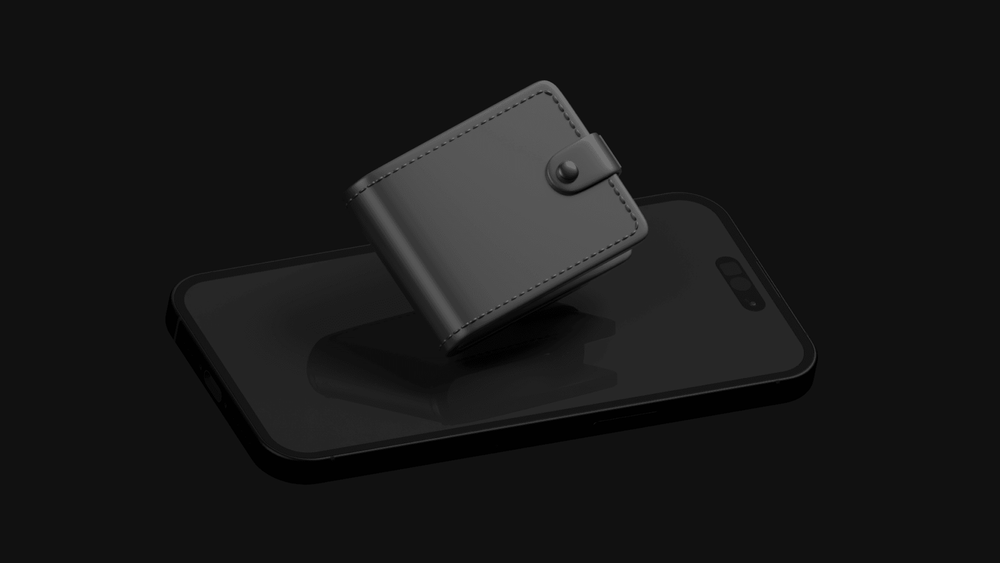
Mobile crypto wallets have become more than a convenience — they're a core part of how most people interact with crypto day to day. They give you control over your assets, quick access to DeFi and NFTs, and the ability to send tokens anytime, without depending on a computer.
But a smartphone as a storage device comes with its own specific risk profile — different from a desktop or hardware wallet. This article covers why you'd want a mobile crypto wallet, the risks specific to the mobile format, and the criteria worth checking before installing any app.
Why You'd Want a Mobile Crypto Wallet
A mobile crypto wallet lets you control your assets and act on them without being tied to a location. You can store crypto on your phone and transact anytime — sending tokens, participating in DeFi, holding NFTs — without needing a computer.
How Mobile Wallet Risks Differ from Desktop or Hardware Wallets
A smartphone is a device that's constantly connected, easy to lose or have stolen, installs apps from various sources, and connects to public networks. This creates threats specific to the mobile format:
- Loss or theft of the device. Unlike a desktop, a phone is physically easier to lose or have stolen — if the screen isn't locked and key backups are stored in the app itself without extra encryption, the risk is higher.
- Clones and fake apps. App stores periodically host counterfeit copies of popular wallets designed to steal an entered seed phrase. Only install apps via a direct link from the developer's official site, not by searching the store by name.
- SIM-swap attacks. If account recovery for any linked service depends on your phone number, an attacker who hijacks your SIM gains an additional attack vector.
- Public Wi-Fi. Connecting to unsecured networks while actively using a wallet increases the risk of traffic interception.
- App permissions. Mobile apps request access to contacts, camera, files — check whether a wallet genuinely needs everything it's asking for.
Criteria for Evaluating Any Mobile Wallet
Regardless of a specific app's name, look at:
- Security level. Data encryption, PIN and biometric support, 2FA. Regular updates and open-source code that can be independently audited are a plus.
- Blockchain and token support. Especially important if you work across multiple networks.
- Custody model. Are private keys stored locally on the device (non-custodial) or held by the service?
- Interface convenience. How easy is it to send and receive funds, and is there QR code support?
- Additional features. Built-in swaps, staking, NFT viewing, dApp access.
- Reputation and incident history. Check reviews, who the developer is, whether there have been breaches or hacks, and how the team responded. Software wallets have been targets of large-scale attacks resulting in stolen user funds in the past — a history like that is worth factoring into your decision even if the issue has since been formally addressed.
Mobile Wallets for Different Needs
For beginners, a simple non-custodial app without mandatory identity verification, a clear interface, and basic functionality (store, send, receive) is usually the right fit.
For active DeFi and NFT users, broad support for EVM-compatible and other networks matters, along with a built-in dApp browser, the ability to connect hardware devices for extra security, and extensions that support non-EVM blockchains.
For managing a diverse portfolio, multicurrency solutions supporting dozens of blockchains and thousands of tokens in one interface are convenient — though this doesn't remove the need to check whether the wallet is custodial or not.
For those combining storage with active trading, mobile solutions exist that combine wallet and exchange functions, with P2P and DeFi tools built into the same app. This format is convenient, but it means evaluating risks tied not just to the wallet itself, but to the trading platform built into it.
Mobile Wallet Security: Practical Rules
Even the most secure app won't protect your assets if you ignore basic practices:
- Never store your recovery seed phrase on the phone itself (in notes, photos, or cloud storage)
- Install only official app versions — via a direct link from the developer's site, not by searching the app store by name
- Protect access with biometrics or a PIN
- Never share your private keys or seed phrase with anyone
- Enable two-factor authentication wherever possible
- Keep the app updated — updates patch discovered vulnerabilities
- Don't perform wallet operations over public Wi-Fi
- Review the permissions an app requests during installation and when connecting to unfamiliar dApps
Final Thoughts
Today's mobile wallet market is highly competitive and diverse. What matters is choosing an app that genuinely fits your use case — not the popularity of its brand — and independently verifying its reputation, code transparency, and incident history rather than relying solely on the developer's own marketing claims.
A general rule for any amount: don't keep more on a mobile device than you're prepared to lose if the phone is stolen or the app is compromised. For larger sums, pair a mobile wallet with a hardware device, keeping the phone for everyday transactions.
FAQ
Which mobile crypto wallets are the most reliable?
Reliable options store private keys locally on the device (if non-custodial), use encryption and 2FA, update regularly, and have a transparent track record of how they've responded to any past security incidents.
Is it safe to keep large amounts in a mobile wallet?
Better not to. For significant holdings, a hardware wallet is the more sensible choice, leaving the mobile wallet for everyday transactions and amounts you're prepared to lose without serious consequences.
Which mobile wallet is best for a beginner?
Look for an app with a simple interface, non-custodial key storage, and support for the coins you actually need — the specific name matters less than checking the code's openness and the developer's reputation.
Do mobile wallets support NFTs and DeFi?
Yes, many modern mobile apps let you store NFTs and connect to DeFi protocols through a built-in dApp browser.
How safe is a mobile wallet without hardware backup?
It's acceptable if you follow basic precautions — PIN, biometrics, 2FA, official installation source — and as long as you're only keeping amounts on the phone that you're comfortable holding at higher risk compared to cold storage.
Can I use one mobile wallet across multiple devices?
Yes, if the service supports seed-phrase recovery. Do this carefully, and never store the phrase itself in cloud services or on devices other people can access.
without growing costs
cryptocurrencies