

Hardware Wallet or Mobile Wallet: Which Should You Choose?

This material is published for informational purposes only and does not constitute investment advice.
When it comes to keeping your cryptocurrency safe, an important question arises: which is better — a hardware wallet or a mobile wallet? The right choice matters, since the security of your funds depends on it. Here's a clear breakdown of how they differ and which option might suit you best.
What Is a Hardware Crypto Wallet?
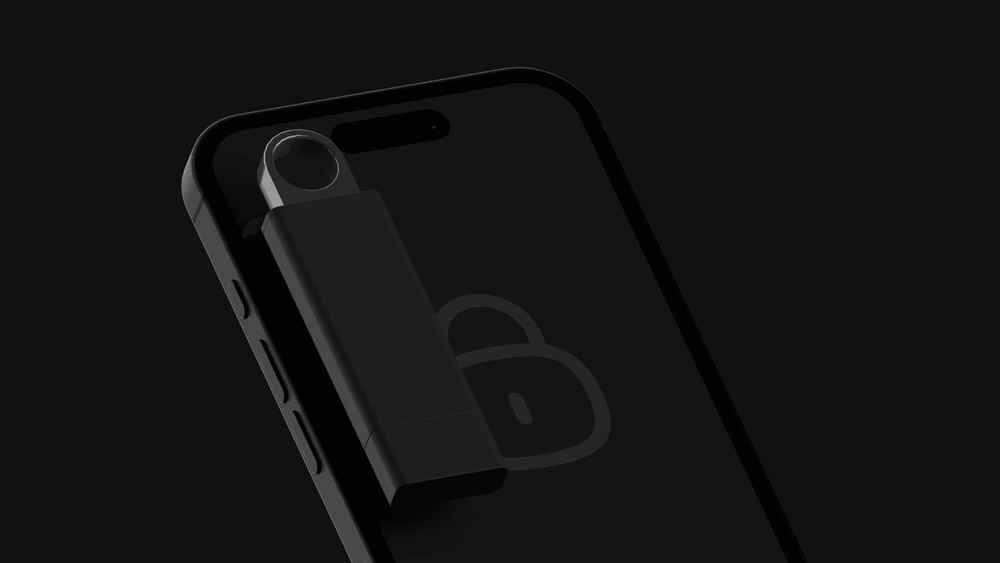
A hardware crypto wallet is a physical device with a built-in secure chip that stores private keys completely offline. Transactions are signed locally — the keys never leave the device or touch the internet. Sending funds requires manual confirmation on the wallet's own screen.
Even if your computer is infected with malware, an attacker can't access your funds. If the device is lost, access can be restored using a previously saved seed phrase (a set of 12–24 words).
What Is a Mobile Crypto Wallet?
A mobile crypto wallet is an app on your smartphone where private keys are stored in encrypted form. It's built for everyday use, letting you send and receive crypto, participate in DeFi, hold NFTs, use fiat on-ramps, and perform instant in-app swaps.
Most modern apps support push notifications and backup options (including cloud backups or a seed phrase). Security depends on how well-protected your phone and passwords are, which is why biometrics and 2FA are essential.
Key Differences Between Hardware and Mobile Wallets
- Key storage. A hardware wallet stores keys offline on the device; a mobile wallet stores them in a phone app, usually encrypted.
- Security. A hardware wallet protects assets better — physical access to the device plus a PIN is required. A mobile wallet is more convenient but more vulnerable to malware and phone theft.
- Cost. Mobile wallets are usually free; a hardware device needs to be purchased.
- Convenience. A mobile wallet is always at hand and easy to use. A hardware wallet needs to be carried around and connected to another device for each operation.
- Features. Mobile wallets offer expanded functionality — instant swaps, fiat purchases, DeFi and NFT connections, push notifications, and transaction tracking. Hardware wallets focus on secure storage and support thousands of tokens, but don't connect directly to the internet — management happens through the manufacturer's separate desktop or mobile app.
Ease of Use and Accessibility
A mobile wallet offers maximum convenience: your balance and payments are available with a tap. But a phone can die or be stolen, so protect the device with a password and keep your seed phrase stored separately from the phone itself.
A hardware wallet is harder to carry — it needs to be connected to a computer or smartphone for every operation — but without physical access to the device, no one can reach your funds.
Supported Cryptocurrencies and Features
A hardware wallet supports major cryptocurrencies (Bitcoin, Ethereum) and thousands of tokens, typically managed through the manufacturer's dedicated app. A mobile wallet is usually multi-currency too, with added services: built-in swaps, fiat purchases, DeFi and NFT support, and push notifications.
Security Level and Fund Protection
A cold (hardware) wallet keeps keys offline and requires physical confirmation for every transaction — this offers maximum protection.
A hot (mobile) wallet relies on your phone's own security: use a strong password or biometrics, keep the system updated, and avoid installing apps from untrusted sources.
In both cases, never show your seed phrase to anyone — not in a message, and not over a call from someone claiming to be "support."
Which Wallet Is Best for Long-Term Storage?
For long-term storage of larger amounts, a hardware wallet is the better choice — it's "cold" storage, essentially unreachable by remote attacks.
A mobile wallet suits daily operations and smaller balances better. Many investors keep the bulk of their funds in a hardware wallet and a smaller "working balance" in a mobile app.
Final Comparison and Recommendations
A mobile wallet is usually free and simple — great for beginners and quick payments. A hardware wallet costs money but offers maximum protection for larger holdings.
There's no universal "better" answer — most experienced users combine both: a hardware wallet for the bulk of their portfolio, a mobile wallet for daily operations. When choosing a specific device or app, look at: code transparency, security incident history, whether it's non-custodial (meaning keys stay with you, not the service), and the manufacturer's reputation.
FAQ
What's the main difference between a hardware wallet and a mobile wallet?
A hardware wallet stores keys offline on a physical device; a mobile wallet stores them in a phone app, usually in encrypted form.
Which option is better for a beginner?
A mobile wallet — it's easier to set up and start using from day one, especially if it's non-custodial (keys held by you, not the service).
Which wallet is safer for storing large amounts?
A hardware wallet — it offers maximum protection by keeping keys off the internet entirely.
Can I use a hardware and a mobile wallet at the same time?
Yes, and this is a common approach: cold storage for the bulk of your funds, mobile for daily use.
Do both types support DeFi and NFTs?
Mobile wallets — usually directly. Hardware wallets — through a connection to separate DeFi- or NFT-compatible apps on a computer or smartphone.
Which wallet is more convenient for everyday transactions?
A mobile wallet — always at hand, well-suited for quick transfers and payments. For this use case, look for a non-custodial app with a clear interface and support for the networks you actually need.
without growing costs
cryptocurrencies