



'%3e%3crect%20x='67.937'%20y='0.078125'%20width='15.0077'%20height='14.9965'%20rx='4.17731'%20fill='%23208F4E'/%3e%3crect%20x='67.8081'%20y='-0.21875'%20width='3'%20height='15'%20fill='%2363D793'/%3e%3cpath%20d='M78.5644%206.8781H76.1787L75.4418%204.60156L74.7026%206.8781L72.3169%206.87579L74.2489%208.28419L73.5097%2010.5584L75.4418%209.15232L77.3716%2010.5584L76.6347%208.28419L78.5644%206.8781Z'%20fill='%23111111'/%3e%3cpath%20d='M76.804%208.79613L76.6382%208.28125L75.4453%209.14938L76.804%208.79613Z'%20fill='%23111111'/%3e%3c/g%3e%3cdefs%3e%3cclipPath%20id='clip0_34823_22293'%3e%3crect%20x='67.937'%20y='0.078125'%20width='15.0077'%20height='14.9965'%20rx='4.17731'%20fill='white'/%3e%3c/clipPath%3e%3c/defs%3e%3c/svg%3e)






How to Set Up a Crypto Wallet
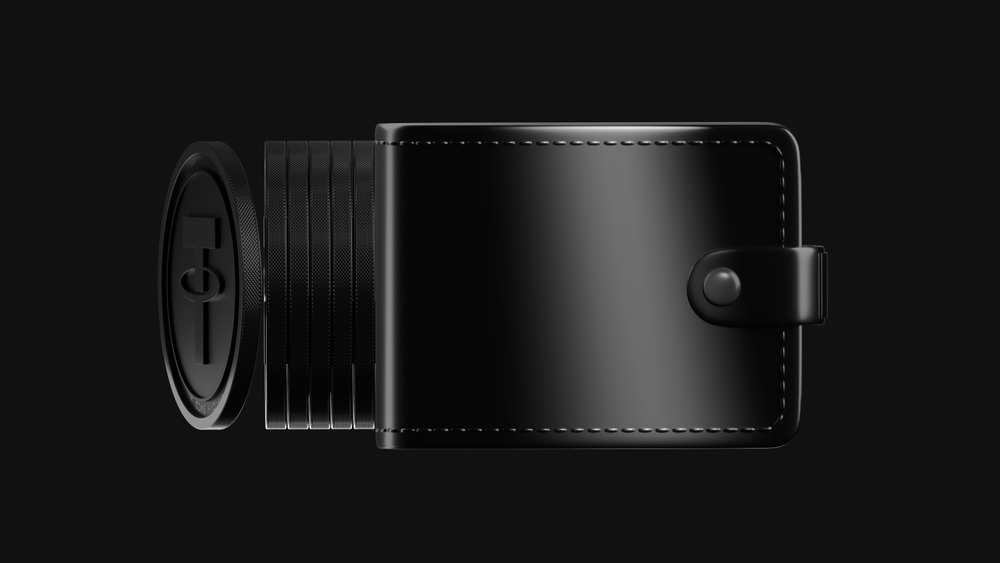

A crypto wallet is the starting point for working with digital assets. It defines how access is managed, how transactions are approved, and how responsibility is assigned. Understanding the setup process helps beginners avoid common mistakes and build confidence from the first step.
How to create a crypto wallet for beginners
For beginners, creating a wallet usually starts with choosing a platform that matches experience level and intended use. The setup process is designed to guide users through basic security steps without requiring technical knowledge.
A crypto wallet is a tool that stores access credentials rather than coins themselves. During setup, the system generates keys that connect the wallet to the blockchain. This structure determines how assets are accessed and protected.
At this stage, you can follow guided instructions provided by the wallet interface. The process typically includes account creation, confirmation steps, and backup instructions. If you want a simple start, software-based wallets are often preferred.
Understanding seed phrase and access control
A seed phrase is generated during wallet creation and acts as a recovery mechanism. It is the only way to restore access if the device or account access is lost. This phrase must be stored securely and offline.
Each wallet is linked to your private keys, which authorize transactions. A private key works behind the scenes and should never be shared. Losing control of this information means losing access to your funds.
If you skip backup steps, recovery may not be possible. This is why setup screens emphasize responsibility and confirmation.
Types of crypto wallets and their differences
There are several categories of crypto wallets, each designed for different needs:
- Software wallets for everyday use, such as payments, transfers, and app-based interactions
- Hardware wallets for long-term storage, where assets are kept offline
- Custodial wallets managed by platforms that handle access and recovery
- Non-custodial wallets where users control access directly through their keys
Each type changes how access works and where responsibility sits. The right choice depends on how your crypto is expected to be used and stored over time.
How setup choices affect future use
When deciding how to set things up, users should think beyond the first transaction. Wallet choice influences security habits, transaction flow, and the learning curve.
Many beginners start with a simple setup and later separate wallets for different purposes, such as daily spending and long-term storage. In a structured system, wallet setup connects access rules directly to account actions without forcing complexity early on.
This flexibility supports gradual growth, allowing beginners to learn at their own pace while keeping control predictable and clear.
Common mistakes during wallet creation
Many issues appear because steps are rushed. Typical problems include:
- Not backing up recovery data
- Misunderstanding control of your assets
- Installing unofficial software
- Confusing custodial and non-custodial access
If you move carefully during setup, these risks are easy to avoid.
How EMCD approaches wallet structure
EMCD Wallet is a platform-native wallet, designed as part of a connected ecosystem rather than a standalone storage tool. Unlike non-custodial wallets focused solely on key ownership or exchange wallets tied primarily to trading activity, EMCD integrates wallet functionality directly into the platform’s internal balance system.
The structure is built around clear balance logic, predictable access, and visible control at every step. Assets are managed through a single interface where users can see how deposits, transfers, card spending, and other actions affect balances in real time. There are no hidden layers between the wallet and supported services, which reduces confusion and accidental misuse.
This approach helps users understand responsibility early while keeping interactions simple. As experience grows, the same wallet structure supports more advanced actions without requiring a new setup or additional tools.
Why wallet setup matters long term
Wallet setup defines how your assets are protected and how transactions are approved. It also shapes how users interact with services and manage access over time.
The right setup allows you to learn at your own pace while maintaining control. It supports safe interaction with digital assets without unnecessary complexity.
Summary
Knowing how to create and set up a wallet is essential for beginners entering crypto. A wallet is a foundation, not just a tool. When the setup is done carefully, users gain confidence, clarity, and control from the start.
Understanding responsibility, recovery, and structure ensures that digital assets remain accessible and secure as experience grows.
without growing costs
cryptocurrencies