



'%3e%3crect%20x='67.937'%20y='0.078125'%20width='15.0077'%20height='14.9965'%20rx='4.17731'%20fill='%23208F4E'/%3e%3crect%20x='67.8081'%20y='-0.21875'%20width='3'%20height='15'%20fill='%2363D793'/%3e%3cpath%20d='M78.5644%206.8781H76.1787L75.4418%204.60156L74.7026%206.8781L72.3169%206.87579L74.2489%208.28419L73.5097%2010.5584L75.4418%209.15232L77.3716%2010.5584L76.6347%208.28419L78.5644%206.8781Z'%20fill='%23111111'/%3e%3cpath%20d='M76.804%208.79613L76.6382%208.28125L75.4453%209.14938L76.804%208.79613Z'%20fill='%23111111'/%3e%3c/g%3e%3cdefs%3e%3cclipPath%20id='clip0_34823_22293'%3e%3crect%20x='67.937'%20y='0.078125'%20width='15.0077'%20height='14.9965'%20rx='4.17731'%20fill='white'/%3e%3c/clipPath%3e%3c/defs%3e%3c/svg%3e)







Best Wallets with a Card for Spending Crypto

Choosing the best crypto wallet with a card for spending crypto depends on how funds are stored, how transactions are processed, and how closely the card is integrated with the wallet. In 2025, crypto spending is no longer just about availability. It is about predictability, visibility, and control across assets and transactions.
This article reviews how wallet-and-card combinations work, what differentiates common models on the market, and where platform-native solutions like EMCD fit into this landscape.
How a crypto wallet with a card actually works
A crypto wallet with a debit card links stored digital assets to a payment instrument that can be used for everyday spending. The wallet holds balances, while the card acts as a payment interface that reflects those balances under predefined rules.
In practice, this means transactions are approved based on wallet availability, internal processing logic, and supported assets. The closer the card is to the wallet infrastructure, the fewer external steps are involved in each transaction.
Some solutions prioritize broad merchant coverage. Others focus on internal consistency between wallet balances and spending behavior.
Common models used for crypto card spending
Most card-enabled wallets fall into three structural categories:
- Exchange-linked wallets, where the card pulls funds from trading balances
- Standalone wallet cards designed for wide acceptance
- Platform-native wallets, where the card is embedded into a specific ecosystem
Each model affects how assets move, how transactions are processed, and how spending limits are applied.
For example, the Coinbase Card connects directly to exchange balances and is optimized for broad merchant acceptance. Other platforms choose a more controlled model where spending is limited to supported use cases inside the system.
What defines the best crypto debit card in 2025
When users compare leading crypto debit card options for 2025, they are usually referencing criteria that continue to guide decisions in 2026. The focus has shifted from individual features to how the card is structured and integrated with the wallet.
Key considerations include:
- how balances are updated before a transaction
- whether spending rules are visible inside the wallet
- how assets are converted at the point of payment
- whether the card is integrated with or operates separately from the wallet
There is no single best option for everyone. The right choice depends on how assets are managed and how much control is expected during everyday spending.
EMCD Wallet and the EMCD Payment Card
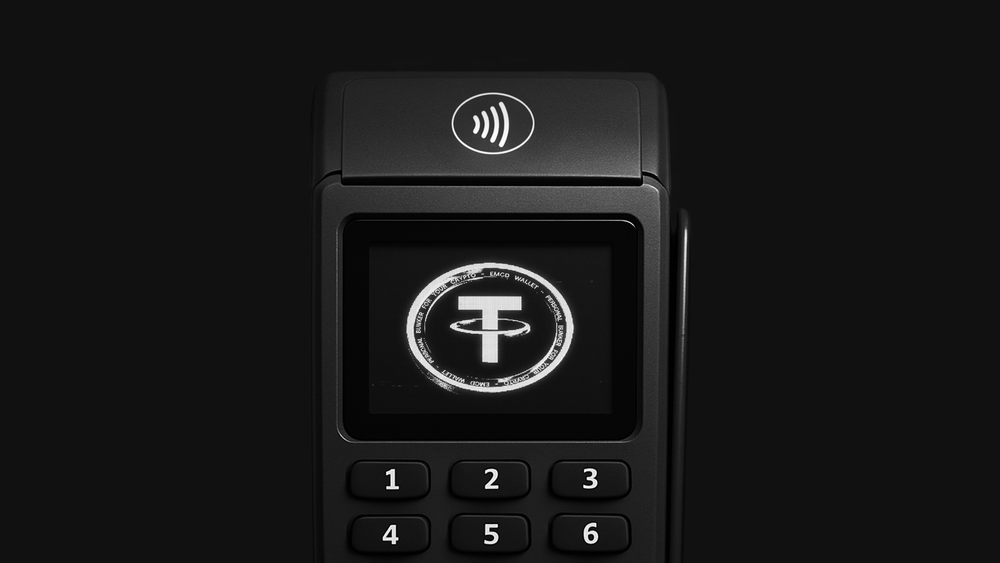
EMCD uses a platform-native model where the wallet and the EMCD Payment Card operate as one system. The wallet holds assets, and the card reflects available balances based on internal rules rather than external credit or bank rails.
In this setup, the card is designed for everyday spending in a way similar to a traditional debit card, but it does not replace a full bank account or support external fiat transfers. Instead, it enables payments that remain aligned with how assets are stored and managed within the EMCD platform.
With this approach, users can manage spending using their crypto while maintaining clear visibility into balances and transaction logic within a single interface.
Spending behavior and transaction visibility
In a platform-native model, spending occurs within predefined boundaries. This structure allows clearer insight into how each transaction is processed and how balances are affected.
Rather than routing payments through multiple external systems, availability is determined on the platform side. This reduces ambiguity and makes spending behavior easier to understand for users who value clarity.
There is no promise of universal merchant acceptance for the card. The emphasis is on consistency between wallet state and card usage, rather than unrestricted use across all payment locations.
Who this type of wallet is for
This model suits users who prefer:
- spending that remains tied to wallet logic
- clear limits and visible rules
- fewer external dependencies during payment
The wallet is designed around internal balance logic and transaction visibility, while the card applies that logic in supported payment scenarios.
Users who prioritise universal merchant acceptance for a payment card may prefer a more general-purpose solution. For those who value predictability and alignment between wallet balances and card usage, a platform-native wallet can be a better fit.
Summary
A card-enabled wallet is a practical way to spend digital assets, but structure matters. Some solutions favor reach, others favor control.
For users evaluating the best way to manage assets and spending together, understanding how the wallet and card interact is essential. EMCD positions its wallet and EMCD Payment Card as part of a single system built around internal balance logic, predictable spending, and transparent rules instead of unrestricted card use.
This approach reflects a deliberate choice in how our platform connects wallets, cards, and assets into one coherent spending experience.
without growing costs
cryptocurrencies