



'%3e%3crect%20x='67.937'%20y='0.078125'%20width='15.0077'%20height='14.9965'%20rx='4.17731'%20fill='%23208F4E'/%3e%3crect%20x='67.8081'%20y='-0.21875'%20width='3'%20height='15'%20fill='%2363D793'/%3e%3cpath%20d='M78.5644%206.8781H76.1787L75.4418%204.60156L74.7026%206.8781L72.3169%206.87579L74.2489%208.28419L73.5097%2010.5584L75.4418%209.15232L77.3716%2010.5584L76.6347%208.28419L78.5644%206.8781Z'%20fill='%23111111'/%3e%3cpath%20d='M76.804%208.79613L76.6382%208.28125L75.4453%209.14938L76.804%208.79613Z'%20fill='%23111111'/%3e%3c/g%3e%3cdefs%3e%3cclipPath%20id='clip0_34823_22293'%3e%3crect%20x='67.937'%20y='0.078125'%20width='15.0077'%20height='14.9965'%20rx='4.17731'%20fill='white'/%3e%3c/clipPath%3e%3c/defs%3e%3c/svg%3e)







Best Wallets for Android and iPhone in 2026: How to Choose a Mobile Crypto Wallet
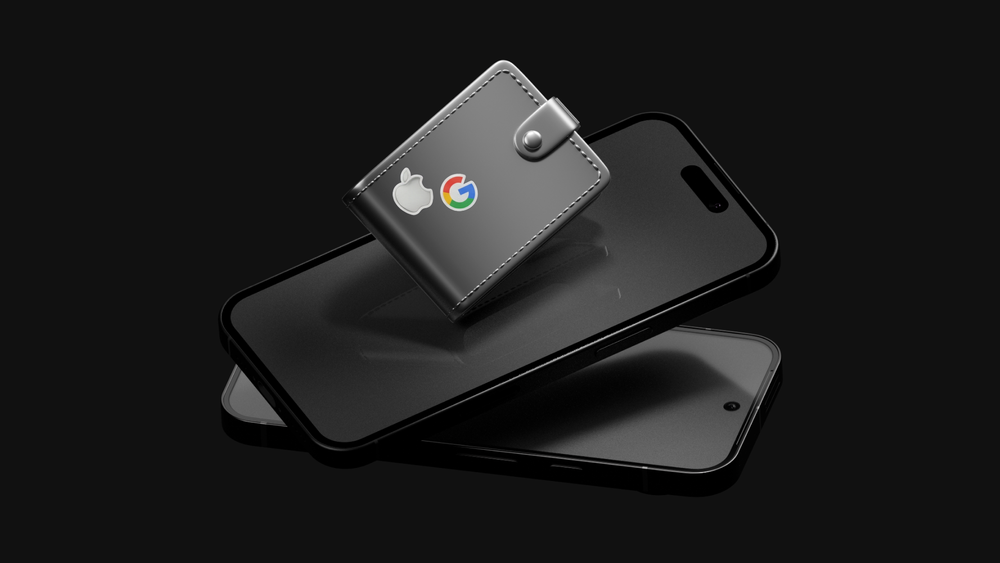

For users looking for the best crypto wallet for Android, the decision is no longer about downloading an app to store coins. In 2026, a crypto wallet is a daily control layer that manages access, security, and routine transactions from a mobile device. Choosing the right wallet means understanding how it works, what it protects, and how it fits into real usage.
What a mobile crypto wallet is and what it protects
What is a mobile wallet in practice? A wallet is a tool that manages access to blockchain addresses and authorizes each transaction. It does not hold assets directly. Instead, it controls private keys or account permissions that allow crypto to move on the network.
A crypto wallet exists to protect your crypto, because control of access is what ultimately defines ownership on the network. If private keys are lost or access rules fail, recovery may not be possible. A reliable wallet is a system designed to protect access first and convenience second. Most modern crypto wallets support Bitcoin, Ethereum, and additional assets, but protection and control remain the core function.
In the current market, wallets are no longer just storage tools. They are operational hubs where users send, receive, swap, and manage crypto in real time.
Android and iPhone iOS: platform differences that affect wallet choice
The best crypto wallet for iPhone iOS is not always the same choice as on Android, even when the app name is identical. Each operating system applies different rules to backups, permissions, and device security, which directly affect how a wallet behaves.
On your phone, the wallet operates based on your device permissions and security settings, which means behavior can differ across platforms. On iPhone and iOS devices, users often rely on biometric access, controlled app environments, and predictable recovery flows. On Android, flexibility is higher, but so is variation across devices and system versions. A good mobile wallet must adapt to both environments without increasing complexity.
Across platforms, several checks remain essential. With a well-designed interface, you can review details calmly before confirming, and if you understand the flow, the risk of error drops significantly:
- The wallet should clearly explain each transaction before confirmation
- Fees must be visible, not hidden behind vague labels
- Recovery and access rules should be easy to understand before funds are added
A wallet that feels simple during installation but unclear during a transaction is not suitable for daily use.
Mobile crypto wallet with low fees: understanding the real cost
A mobile crypto wallet with low fees is often advertised as a single feature, but fees come from different sources. Network fees are paid to miners or validators, are set by the blockchain itself, and change with congestion. These costs are outside the wallet’s control. Wallet apps may also apply service fees for swaps or integrated tools, which are defined by the platform.
Clear pricing allows users to understand what they are paying and whether a wallet is economical for everyday use. Low fees do not mean zero fees. They mean transparency. The user should see the full cost before confirming and understand which part of the fee is determined by the network and which part belongs to the wallet or platform.
In practical terms, the safest approach is to compare what is shown on the confirmation screen rather than relying on marketing claims. A wallet that explains fees clearly reduces mistakes and long-term frustration.
Types of crypto wallets: mobile apps and hardware options
There are several types of crypto wallets, such as mobile applications designed for frequent activity and hardware wallets built for long-term protection.
Hardware wallets keep signing data off the phone, reducing exposure if a mobile device is compromised. Many users combine both approaches: a mobile wallet for daily actions and a hardware wallet for higher balances. In this setup, funds move to your phone wallet only when needed, while the rest stays offline. This reflects how crypto is used in real life, not how it is presented in advertising.
Comparison table: popular mobile wallets and platform-native solutions
The choice often depends on how much control a person wants over access rules and recovery options. The table below compares widely used crypto wallets by purpose, control model, and practical security features. It focuses on how wallets are used rather than ranking them by popularity.
| Wallet | Wallet for | Control model | Fees overview | Security and usability | Android / iPhone iOS |
| Trust Wallet | General mobile use and storage | Self-custody app | Network fees apply; swap fees vary | Simple interface, broad asset support; Trust Wallet is widely adopted | Android and iPhone iOS |
| Exodus | Everyday portfolio management | App-managed keys with backup | Network fees plus service spread | Clean design, beginner-friendly flows | Android and iPhone iOS |
| Ledger (hardware wallet) | Long-term storage | External device control | Network fees only | One of the most common hardware wallets; pairs with mobile apps | Android and iPhone iOS |
| EMCD Wallet | Platform-native daily use | Account-based model with layered security controls | Full transaction fees displayed before confirmation | Designed for clarity, 2FA protection, transaction screening, and seamless use across the EMCD ecosystem | Android and iPhone iOS |
This comparison highlights an important shift in the market. Standalone wallets optimize for portability and independence. Platform-native wallets optimize for continuity, shared security logic, and reduced friction across services.
EMCD Wallet belongs to the second category. It is designed not just as a storage tool, but as a mobile entry layer to a broader crypto infrastructure, where fewer transfers, consistent rules, and integrated workflows make everyday use more predictable for users who prefer simplicity over juggling multiple apps.
Security habits that matter more than features
Even the best wallet cannot protect your wallet if basic security habits are ignored. Simple discipline can be more effective than advanced features.
Effective habits include:
- Storing recovery information offline and never sharing it
- Using device locks and additional authentication where available
- Verifying addresses carefully before confirming a transaction
- Sending a small test transaction when using a new address
- Avoiding transaction signing on public or unsecured networks
These steps form a baseline of security that applies to all crypto wallets, regardless of platform or brand.
Conclusion
Choosing a mobile crypto wallet in 2026 is about finding a system that helps store your assets safely and reduces friction for you in daily use. Mobile apps handle frequent actions, while hardware wallets protect long-term holdings. Platform-native wallets simplify workflows for users who operate within one ecosystem.
The best option is not universal. It depends on habits, risk tolerance, and how often transactions occur. Some users also prefer wallets that allow them to earn rewards, provided conditions are clearly explained and risks are understood.
without growing costs
cryptocurrencies