

Best Crypto Wallet for Beginners – a Practical Guide to Getting Started
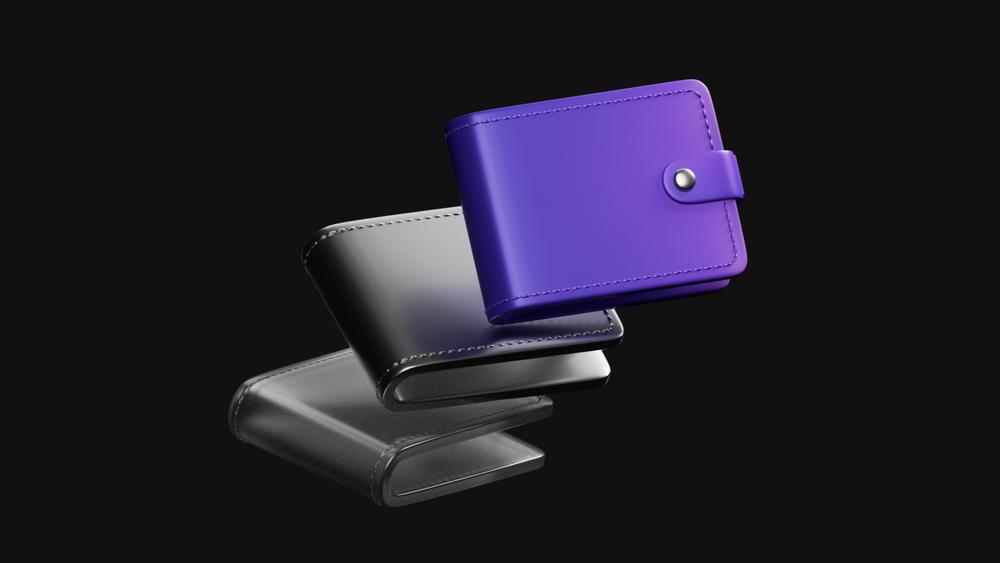

Choosing a wallet is one of the first decisions people face when entering crypto. For beginners, the priority is not speed or advanced functionality, but clarity and control. A well-structured wallet supports learning, reduces early mistakes, and helps users understand how digital assets are managed in practice.
This guide explains the basics of wallet use, outlines the main options available, and highlights what matters most at the beginning.
What a crypto wallet is and why it matters
A crypto wallet is a tool that allows users to manage digital assets stored on a blockchain. Unlike a traditional account, a crypto wallet does not hold funds itself. Instead, it stores the information required to access them.
At its core, a wallet is the interface used to control private keys. These keys prove ownership and enable transactions. Without proper key management, your crypto cannot be accessed or transferred. This principle applies across all modern wallet designs.
Why wallet choice is important for beginners
For newcomers, wallets are more than technical software. They shape confidence and understanding during the first interactions with crypto. A poorly designed interface can cause hesitation, while clear guidance supports learning.
In early use, wallets are often judged by how predictable actions feel. When confirmations are clear and steps are explained, beginners can understand responsibility without feeling overwhelmed in the initial stages.
Types of wallets beginners encounter
There are several types of wallets available, each offering a different balance between convenience and control. Understanding these options helps users choose calmly and avoid unnecessary complexity.
Common categories include:
- Software wallets for everyday interaction
- Browser wallets for connecting to applications
- Cold wallets for offline storage
- Hardware wallets that use physical devices
All crypto wallets follow the same fundamental logic, but differ in how keys are stored and accessed.
Hot wallets, cold wallets, and hardware storage
Hot wallets remain connected to the internet and are practical to use for learning and routine activity. Cold storage keeps keys offline and is generally chosen for long-term holding.
A hardware wallet stores credentials on a separate device and requires physical confirmation. Hardware wallets offer stronger isolation but demand careful handling of backups. These options are usually explored once users are comfortable managing access.
How to choose a crypto wallet for beginners
Selecting a wallet at the start means focusing on structure rather than popularity. The most helpful wallets guide actions clearly and reduce uncertainty.
Key points to consider include:
- A clear recovery process with a backup mechanism
- Transparent confirmations before transactions
- Logical separation between wallet access and additional services
A suitable wallet supports learning and minimises confusion during early use.
Beginner-friendly wallet examples and platforms
Some wallets are frequently reviewed by beginners because of their straightforward design and familiar onboarding — look for apps known for clear interfaces that help users complete basic actions without deep technical knowledge.
Alongside standalone apps, another category has emerged: integrated platforms where the wallet functions as a central access layer rather than an isolated tool. In these systems, storage is directly connected to related crypto services, reducing the need to move funds between multiple applications or manage fragmented workflows. This kind of structure can reduce early friction and provide clearer visibility into balances and transactions, helping beginners progress at their own pace — though it's worth confirming exactly which services are genuinely available versus planned before relying on any specific platform's feature list.
Starting Simply and Building Confidence
The first wallet does not need to solve every future scenario. Learning crypto is a gradual process, and tools can change as experience grows.
The best approach for beginners is to start with clarity and predictable actions. Over time, users may expand functionality, but a calm beginning helps build confidence and supports sustainable learning.
FAQ
Does a crypto wallet actually store my coins?
No. Your crypto exists on the blockchain itself. A wallet stores the private keys that prove ownership and let you authorize transactions — this is true across virtually all wallet types.
What should a beginner prioritize when choosing their first wallet?
Clarity over features. Look for a clear recovery process, transparent transaction confirmations, and a straightforward interface — advanced functionality matters much less at the start than understanding what each action actually does.
Should a beginner start with a hot wallet or a hardware wallet?
Most beginners start with a hot wallet (software or browser-based) since it's simpler to set up and use for learning and routine activity. Hardware wallets are usually introduced later, once someone is comfortable managing keys and ready to store larger amounts long-term.
What's the risk of using an "integrated platform" wallet as a beginner?
These can reduce friction by keeping storage and related services in one place, but it's important to understand which specific features are actually live versus planned, and whether the platform is custodial or non-custodial — don't assume a feature exists just because it's described in marketing materials.
Do I need to understand private keys before using a wallet?
At minimum, you should understand that losing access to your keys or recovery phrase generally means losing access to your funds permanently. You don't need deep technical knowledge to start, but this one principle matters regardless of which wallet you choose.
Is it normal to switch wallets as I gain more experience?
Yes, and it's common. A first wallet doesn't need to solve every future scenario — many users start with something simple, then move to more advanced tools (like hardware wallets or multi-chain apps) as their needs and holdings grow.
without growing costs
cryptocurrencies