Real World Asset Tokenization
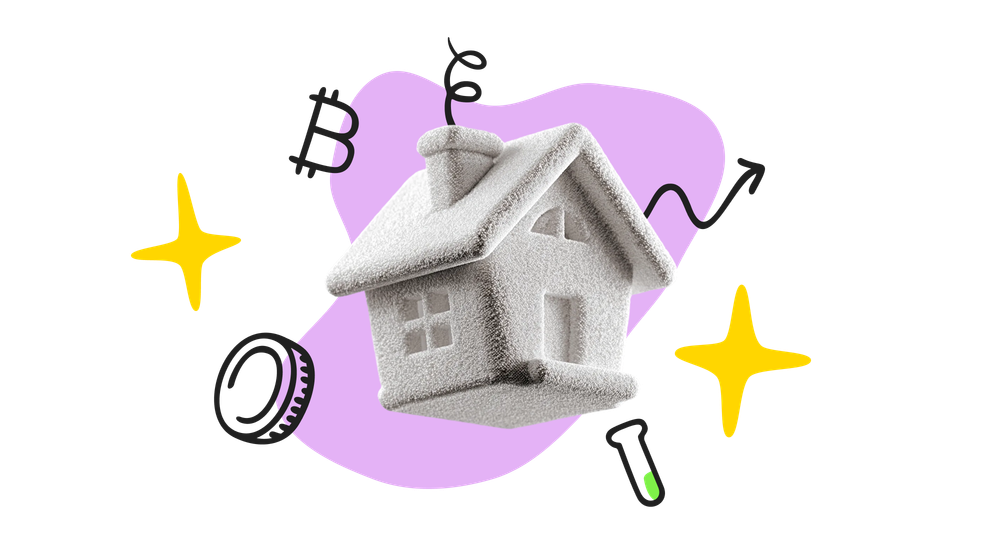
Imagine buying a square meter of a luxury apartment in Dubai or a few grams of gold as easily as ordering a burger through an app. No notary visits, no piles of paperwork. If you are just starting to explore this topic, the question ‘ what rwa in crypto’ is your entry ticket to a new economy. This technology turns real-world assets (rwa) into digital tokens. It makes investing in physical objects accessible, transparent, and free from the usual bureaucracy of traditional financial institutions.
How It Works: From Gold to Oil Barrels
Let's break down how a physical object enters the network. The process follows three simple steps. First, the asset – like a gold bar or an office building – undergoes verification. Lawyers confirm ownership and appraisers determine its value. Then, a digital twin of the asset is created in the form of tokens. Each token's code specifies exactly what share of the object you own. Finally, these tokens hit the market for purchase.
Here is how it looks in practice for different commodities:
| Asset | How it works | Your experience |
| Gold | Physical bars are stored in secure vaults; digital tokens trade online | Buy small amounts of gold (for example, 0.1 gram) and sell it when the price rises |
| Oil | Barrels are linked to smart contracts via warehouse receipts | Track oil price exposure without handling logistics |
| Real Estate | A property is split into thousands of ‘digital bricks’ | Hold a share of a building and receive rental income |
This approach allows you to manage your savings more effectively. Imagine you have $1,000. Before, you could only keep it under your mattress or buy some currency. Now, you can put $300 into a gold share, $400 into a ‘piece’ of a Dubai apartment, and the rest into commodities. Instead of buying one expensive item, you build a diversified portfolio.
The smart contracts used here ensure your rights are protected by code. As noted in this article, this flexibility and security are drawing millions to RWA. Digital assets are no longer just lines of code – they represent real property with value in the physical world.
Digital Real Estate: TREA and Other Projects
Investing in real estate was once limited to the wealthy. To buy a whole property, you needed large sums, lawyers, and months of paperwork. RWA technology removes these barriers. Several platforms now exist, and TREA by EMCD is one of them. It focuses on prime locations like Dubai and simplifies investment opportunities.
Here is your typical journey:
- Pick an asset. Visit the RWA.EMCD.IO showcase to see verified apartments or offices
- Buy a share. You don’t need the entire property. Buy as many ‘digital meters’ as your budget allows
- Own it. Your share is confirmed and recorded on the blockchain. This is a legally binding record that cannot be faked or altered
- Earn. Receive your portion of rent or profit when the property is resold
This changes life for the average user. You can live in one city while owning a piece of a hotel in another, earning passive income in stable currency. This is crypto delivering real-world utility, not just fluctuating charts. TREA isn’t the only player – global projects like RealT work with U.S. housing. However, for many investors, solutions from familiar teams are more convenient due to localized support. Just remember to always check the documentation and the platform’s reputation before investing.
RWA in Numbers: Why the Market Is Booming
Analysts at Boston Consulting Group (BCG) predict the tokenized asset market could reach $16 trillion by 2030. McKinsey estimates a base scenario of $2 trillion, rising to $4 trillion in optimistic cases.
The current market landscape:
- Explosive growth. In 2024, RWA assets (excluding stablecoins) reached $8–15 billion, growing by up to 380% over three years. By mid-2025, the market exceeded $24 billion
- Institutional adoption. BlackRock, the world’s largest fund, launched the BUIDL tokenized fund, attracting over $500 million in weeks
- Sector leaders. Private credit accounts for 50–61% of the RWA market, followed by government bonds (20–30%), while commodities like gold represent 5–7%
Market sector comparison:
| Asset | Current state (2024–2025) | Investor benefits |
| Real Estate | >$2–5 bln tokenized | Rental income without the paperwork |
| Gold | ~$1 bln (PAXG, XAUT) | Ownership without physical storage |
| Bonds | ~$4 bln (U.S. Treasuries) | Stable yield directly in crypto |
This approach allows for smarter capital management. Instead of buying a single apartment and waiting years, you can build a global portfolio. Smart contracts ensure your data and rights stay protected 24/7. This transparency makes digital assets the future of the global financial system.
Should You Join the RWA Trend Now?
The world is changing, and ignoring it may come at a cost. Tokenization is a natural step in economic evolution. When you can own a piece of global wealth through your smartphone, borders begin to fade.
If you decide to dive in, remember three rules:
- Do your homework. Always dig deeper. Learn how the smart contracts of your chosen platform work
- Choose transparency. Work only with projects that provide verifiable documents and legal proof. For example, on the TREA platform, all information is open for review
- Diversify. Don’t put everything into one asset. Spread your capital across different countries and asset types
The future of finance is already here. It smells like real oil, shines like gold, and is as solid as the concrete walls of a skyscraper. Today, crypto gives you a chance to become a co-owner of this world on your own terms.
FAQ
Does someone need to be a millionaire to invest in RWA?
No. Assets are split into small shares, Allowing participation from as little as $100
How can someone verify ownership of their share?
All records are on the blockchain, a public ledger where ownership is recorded as a unique digital entry
Where are physical assets like gold stored?
They are kept in secure bank vaults or certified warehouses. The issuing platform handles insurance and security
Where does income from tokenized real estate come from?
It comes from a share of rental payments or proceeds when the property value increases
Can someone sell their token quickly?
Yes. Tokens can be listed on a marketplace, which is typically much faster than selling a physical property through traditional channels