P2P Crypto Transactions: Tips to Keep Your Funds Safe
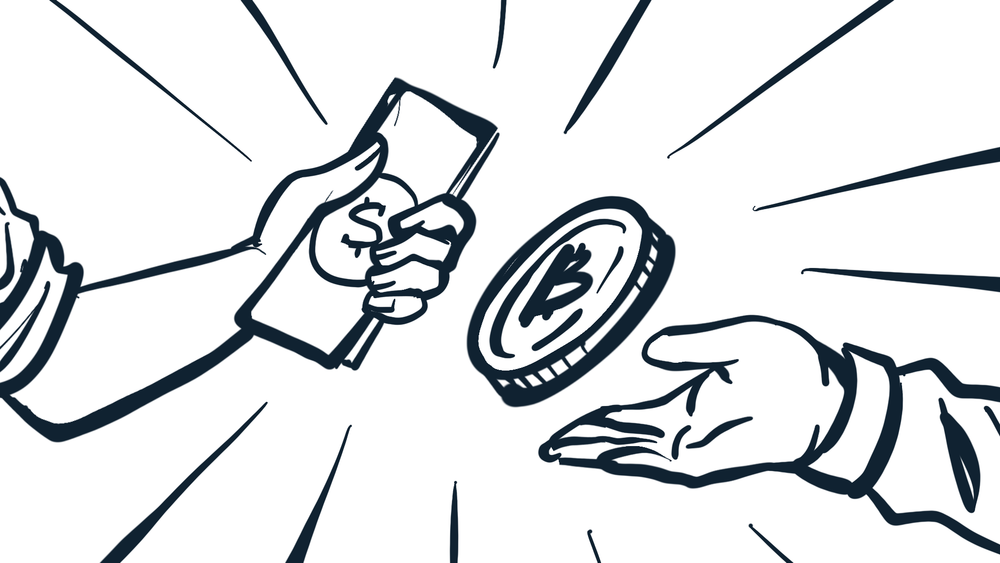
Peer-to-peer (P2P) trading is one of the most convenient ways to buy cryptocurrency, without banks or centralized platforms. It allows users to deal directly with each other, choose a seller, agree on payment, and receive crypto straight to their wallet. This method is especially popular in countries with restrictions or high fiat transaction fees.
But with freedom comes responsibility. To trade safely, you need to understand how P2P platforms work and what risks are involved. This guide will walk you through practical steps to protect yourself when buying crypto via P2P.
Understanding P2P: How Peer-to-Peer Crypto Trades Happen
P2P is a trading format where users exchange crypto and fiat directly. The platform simply provides the infrastructure — ad listings, chat, and transaction protection.
Here’s how a typical P2P deal works:
- The buyer selects a seller’s ad
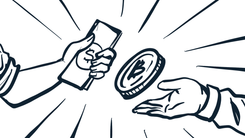
- They initiate a deal and send fiat to the seller’s payment details
- The platform temporarily locks the seller’s crypto
- Once the seller confirms payment, the crypto is released manually
The process is fast and convenient, but it relies heavily on trust and the platform’s security.
Key Risks in P2P Transactions
Even with built-in dispute resolution systems, scams still happen. These are the most common risks for beginners:
- Fake payment receipts or forged confirmations
- Seller refusing to release crypto after receiving fiat
- Abuse of arbitration by dishonest participants
- Payment details being altered mid-trade
- Going off-platform to complete deals means losing all protection
The good news is that most of these risks can be avoided with a careful, step-by-step approach.
How to Protect Yourself: A Step-by-Step Guide
To trade safely, it’s not just about choosing a trusted platform — you need to act wisely at every stage:
- Trade with verified sellers only. Check their rating, number of completed trades, user reviews, and how long they’ve been on the platform
- Keep all communication inside the platform. This way, if a dispute arises, there’s a clear record of what was agreed
- Never send money before starting a trade. Always initiate the trade first so the platform can lock the crypto. Only then you should send fiat
- Double-check payment details. Scammers may try to alter them. Only use the details shown in the platform interface
- Save payment proof. Keep screenshots, digital receipts, or transfer confirmations — these are crucial if you need to file a dispute
- Never go off-platform. ‘Let’s finish the deal elsewhere’ is a classic scam tactic. Without platform protection, you’re on your own
Stick to these rules, and you’ll significantly reduce the chances of running into trouble.
The Platform Matters: Choose a Safe Place to Trade
Even the most cautious user is only as safe as the platform they use. A good P2P service should offer:
- Automatic crypto escrow during the trade
- Fast and fair dispute resolution
- Transparent user stats and ratings
- Strong technical and legal support
Safe P2P trading is a balance between your actions and the platform’s reliability, so choose wisely.
Start Safe with EMCD P2P
If you’re looking for a simple, honest, and secure platform to buy crypto, check out EMCD P2P — part of the trusted EMCD ecosystem built on transparency and user protection.
P2P is about freedom, but it also requires awareness. Stick to the basics, prioritize safety, and use platforms you can trust. With EMCD P2P, you’re taking your first step into crypto with confidence and peace of mind.