Will Crypto Be the Main Money of Web3?
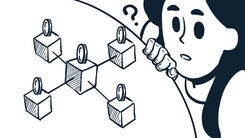
The question will crypto be the main money of Web3 is closely connected to how the decentralized internet works. The term Web3 was first used by Ethereum co-founder Gavin Wood in 2014 to describe a decentralized online ecosystem built on blockchain technology.
Years later, he explained in an interview that one of the main problems of the current Web2 era is that it relies heavily on trust, while what the world actually needs is verifiable truth. Blockchain, which is the underlying technology behind cryptocurrencies, is designed to provide exactly that by allowing transactions and data to be verified through code rather than centralized authorities.
Because of this, Web3 technologies are built around blockchain networks. These networks require digital assets, such as cryptocurrencies, to operate. As a result, crypto is often considered the financial layer of the new (upcoming) internet.
The Role of Crypto in Decentralized Internet Infrastructure
Its role in decentralized internet systems comes from the way blockchain technology operates. Instead of relying on centralized platforms, Web3 applications run on distributed networks where many participants maintain the system together.
In this environment, crypto performs several key tasks:
- enabling payments between users
- rewarding participants who maintain the network
- covering transaction processing fees
- supporting governance decisions in blockchain projects
Unlike traditional online services, there is no central company managing accounts or transferring money between users. Transactions occur directly between wallets like EMCD through blockchain verification.
Crypto as Native Currency of Web3
Many developers describe crypto as main money of Web3 because it works directly inside blockchain ecosystems. It is not simply a digital representation of traditional money, but a built-in economic mechanism that allows decentralized applications to operate.
The native currency of a blockchain network can support multiple activities:
| Function | Description |
| Payments | Users send crypto to pay for services or digital goods |
| Network operation | Small transaction fees maintain the blockchain |
| Digital IDs | NFTs can serve as accounts to its platforms |
| Incentives | Participants receive rewards for supporting the system |
| Governance | Token holders participate in decision making |
Without this financial mechanism, decentralized applications would struggle to coordinate activity across the decentralized internet.
Future of Money in Web3
The future of payments in Web3 depends on how widely decentralized technology spreads across the internet. If blockchain platforms continue to grow, crypto could play an increasingly important role in digital economies.
Several factors support this possibility:
- Borderless payments across the internet
- Programmable transactions through smart contracts
- User ownership of digital assets
- Interoperability between different Web3 platforms
At the same time, the future development of crypto depends on technological progress, regulation, and broader adoption.
So will crypto be the currency of Web3?
Yes.
Crypto already performs the main role of financial infrastructure in many Web3 systems. It functions as a native currency that allows decentralized applications to process transactions, distribute rewards, and coordinate economic activity. It is also important to have strong financial infrastructure for the decentralized internet. Ideally, it should function as a unified ecosystem that brings together many essential services in one place, similar to what EMCD offers, from exchange, P2P services, cards, mining pools, and trading platforms to a simple wallet and other tools.
Whether crypto will become universal digital money remains uncertain. However, within Web3 ecosystems it already operates as the financial backbone that supports the decentralized internet and its evolving future.
FAQ
1. What is Web3?
Web3 refers to a new generation of the internet built on blockchain technology. Instead of centralized companies controlling platforms and data, Web3 applications run on decentralized networks where users interact directly through cryptographic systems
2. Why is crypto important in Web3?
Crypto acts as the financial infrastructure of Web3. It allows users to make payments, pay network fees, reward participants who maintain the system, and interact with decentralized applications without relying on banks or centralized intermediaries
3. What does it mean that crypto is the native currency of Web3?
Crypto is considered the native currency of Web3 because it is built directly into blockchain networks. It powers transactions, governance mechanisms, and reward systems that allow decentralized platforms to operate
4. How do transactions work in Web3?
Transactions in Web3 usually occur directly between digital wallets. Blockchain networks verify and record these transactions, which removes the need for a central company to manage accounts or approve payments
5. Can crypto become the main money of the decentralized internet?
Crypto already serves as the main financial mechanism in many Web3 platforms. However, whether it becomes universal digital money will depend on wider adoption, regulation, and technological development in the coming years